

Black Tiger Prawns Exported to China – A Breakthrough Opportunity for Vietnamese Seafood
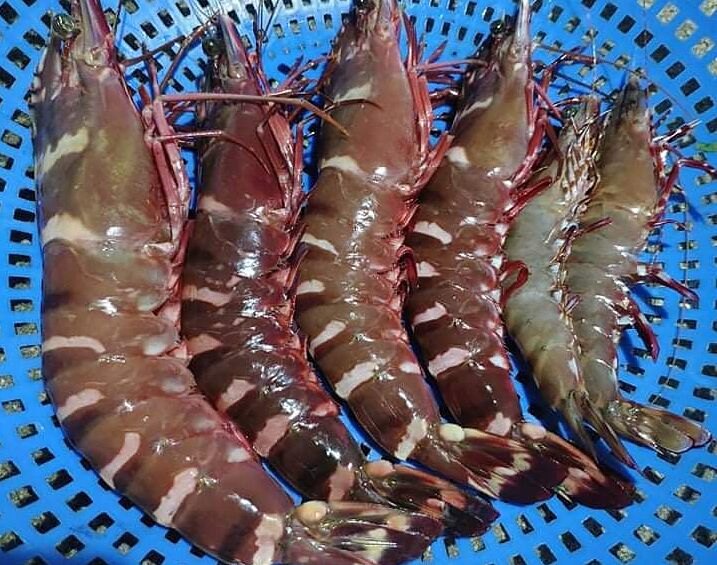
China is one of the largest seafood consumption markets in the world, with a continuously increasing demand for shrimp imports over recent years. Within this landscape, Vietnamese black tiger prawns stand out as a premium segment, favored for their large size, firm texture, and naturally rich flavor.
The growth of the middle class, the development of high-end restaurant and hotel chains, and the trend towards safe food consumption have boosted the demand for black tiger prawns in major cities like Guangzhou, Shanghai, Beijing, and Shenzhen. This presents a strategic opportunity for Vietnamese enterprises with robust quality control and supply chain management capabilities.

Contact us now: 0938 925 489
With a commitment to sustainable development, Astra Aqua focuses on building a closed supply chain that meets international standards to expand its market share of black tiger prawns in China.
Overview of the Chinese Market for Imported Black Tiger Prawns
Consumption Scale and Growth Trends
Astra Aqua believes China, with a population of over 1.4 billion people, is the world's leading seafood consumer. According to new consumption trends, people are increasingly prioritizing premium products with clear traceability and food safety certifications.
Black tiger prawns fall into the premium segment and are commonly used in:
- High-end seafood restaurants
- International buffet chains
- 4–5 star hotels
- Family gatherings and holiday feasts
The demand for frozen whole black tiger prawns, HOSO (Head-On, Shell-On), PTO (Peeled, Tail-On), and value-added processed black tiger prawns is growing steadily. This creates opportunities for businesses with large-scale production capacity and consistent quality assurance.
Contact us now: 0938 925 489
Key Customer Segments
The Chinese market can be divided into three main segments:
Premium Segment
Focuses on large-sized, uniformly sized black tiger prawns, with premium packaging, serving luxury restaurants.
Mid-range Segment
Requires stable quality and competitive pricing, often supplied to retail chains and supermarkets.
Processing Segment
Imports black tiger prawns as raw material for the domestic food processing industry.
An effective market penetration strategy requires clearly identifying the target segment and optimizing products to suit each customer group.
Competitive Advantages of Vietnamese Black Tiger Prawns
Superior Quality
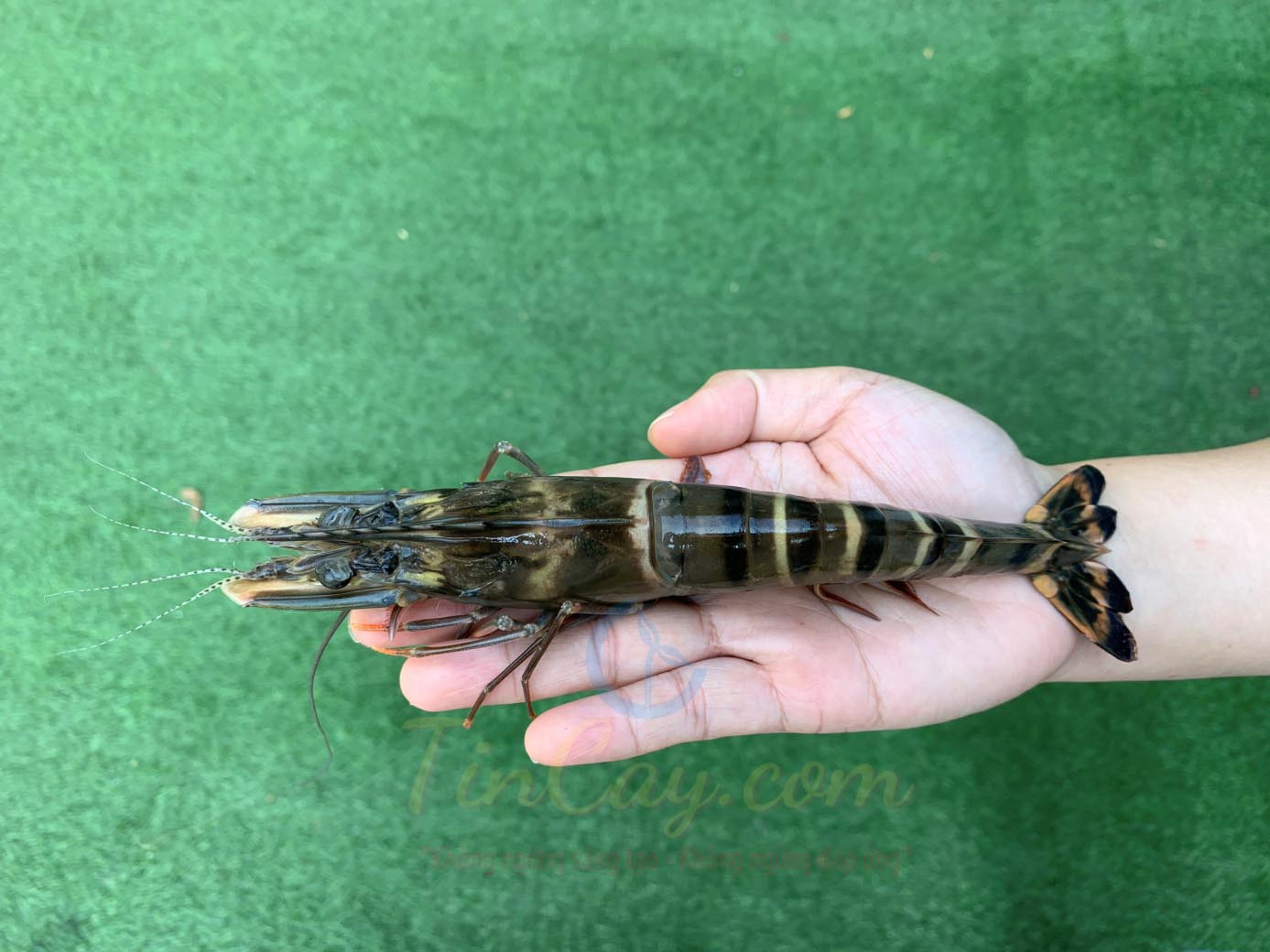
Vietnamese black tiger prawns are renowned for their:
- Firm and naturally sweet meat
- Attractive color and thick shell
- Large size
- Versatility in various culinary preparations
Favorable natural conditions and years of farming experience contribute to the high quality of black tiger prawns, meeting the stringent requirements of the Chinese market.
Contact us now: 0938 925 489
Stable Supply Source
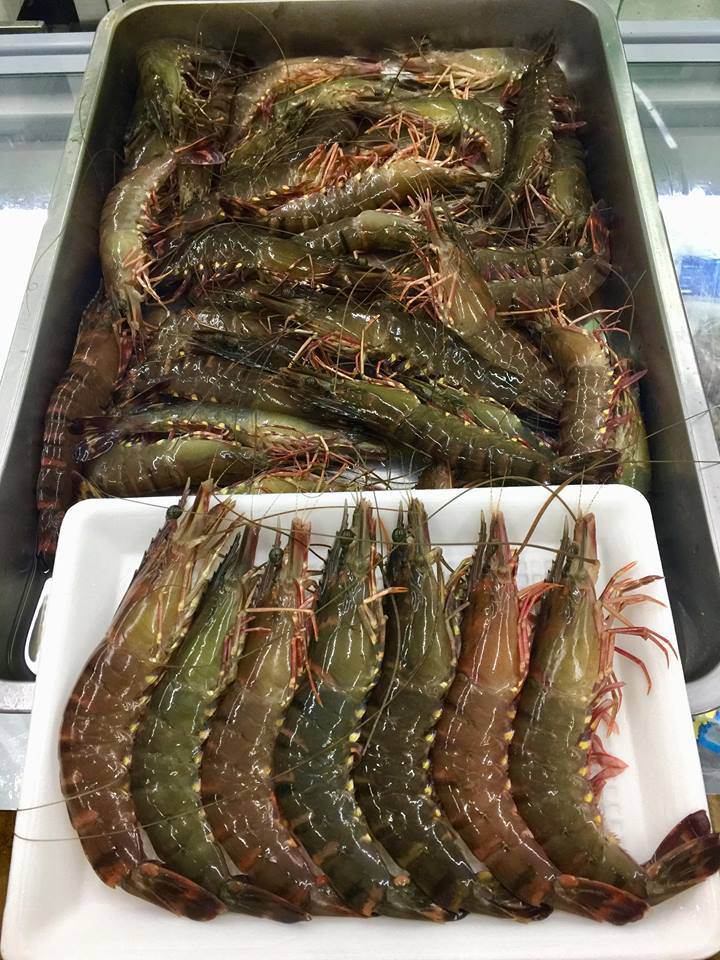
Vietnam is one of the countries with large-scale black tiger prawn farming areas. Proactive control over farming regions ensures a stable annual output, mitigating the risk of supply shortages.
Modern Processing System
Professional export companies invest in IQF freezing lines, international standard cold storage, and strict temperature control systems throughout the transportation chain.
Astra Aqua implements rigorous quality control processes to ensure every export shipment meets food safety standards and has clear traceability.
Contact us now: 0938 925 489
Standards and Regulations for Exporting Black Tiger Prawns to China
Export Enterprise Registration
Enterprises must be registered with Chinese customs authorities according to the latest regulations. The application includes information about the factory, farming areas, production processes, and relevant certifications.
Quarantine Requirements
Each shipment requires:
- Quarantine certificate
- Food safety certificate
- Traceability records
- Antibiotic residue test results
China is particularly strict regarding antibiotic and heavy metal residues, making upstream control from the farming stage a critical factor.
Labeling Requirements
Product labels must clearly state:
- Product name
- Country of origin
- Production date
- Expiration date
- Storage conditions
- Manufacturer information
Strict adherence to labeling regulations facilitates smooth customs clearance.
Professional Black Tiger Prawn Export Process
Farm Control
Black tiger prawns are farmed in biosecure environments. Water quality, feed, and disease prevention are monitored periodically.
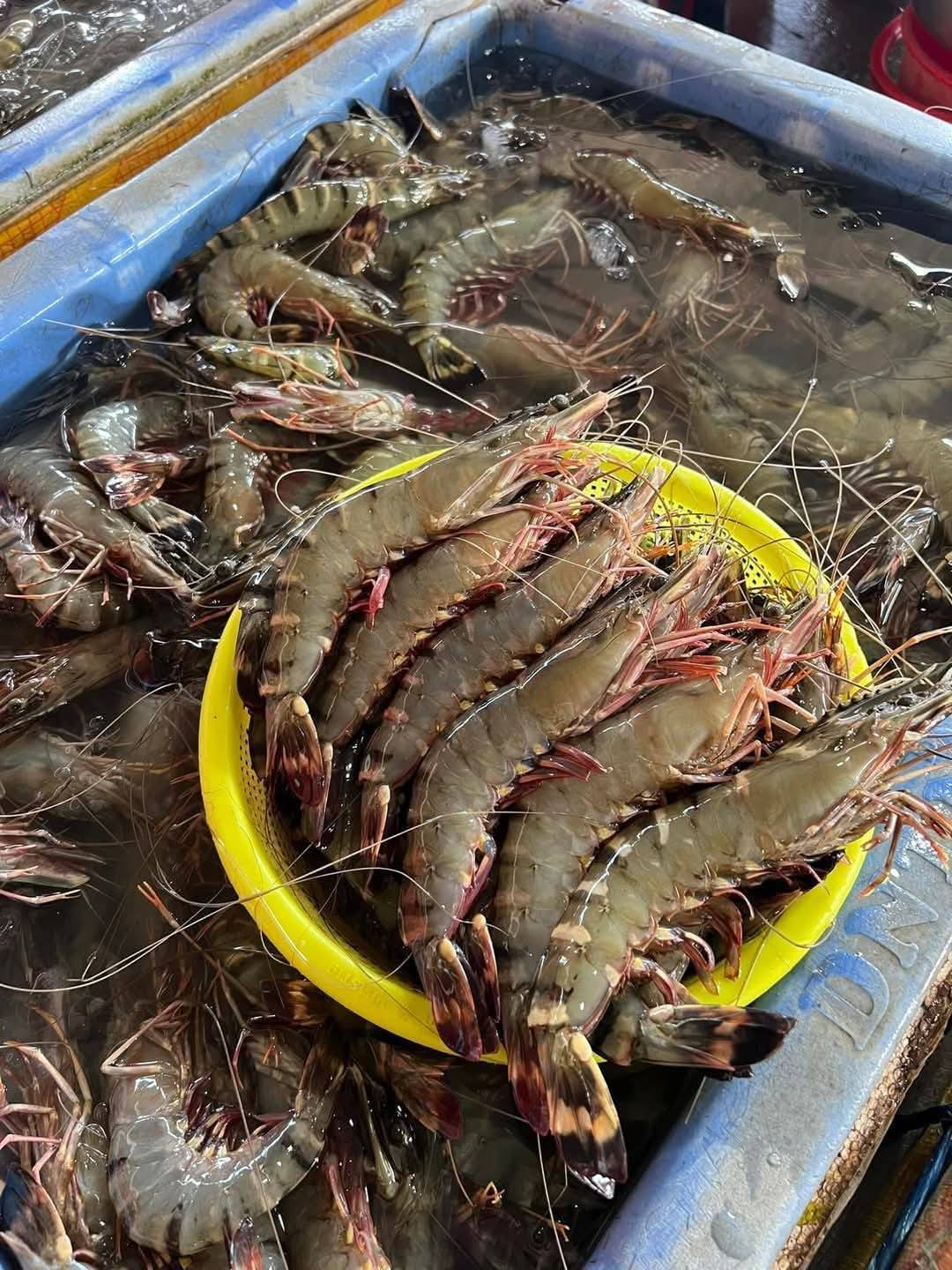
Harvesting and Processing
After harvesting, prawns are quickly transported to the processing plant to ensure freshness. Size grading and quality inspection are conducted meticulously.
Contact us now: 0938 925 489
Freezing and Storage
Products are rapidly frozen at deep temperatures, preserving the natural meat texture and flavor. Cold storage maintains a stable temperature before container export.
International Transportation
Refrigerated containers ensure a temperature of -18°C throughout the journey. Shipping documents are prepared completely before the vessel arrives at the port.
Long-Term China Market Development Strategy
Brand Building
The Chinese market highly values brands with a strong reputation, transparent information, and a commitment to quality.
Logistics Optimization
Reducing transportation costs and shortening delivery times enhance competitive advantage.
Sustainable Cooperation
Establishing long-term partnerships with importers helps maintain stable production volumes and reduces market volatility risks.
10 Frequently Asked Questions
1. What certifications are required for exporting black tiger prawns to China?
Answer: Enterprises need a quarantine certificate, food safety certificate, and a valid export code registration.
2. How long does the delivery usually take?
Answer: Typically from 7 to 20 days depending on the destination port and shipping method.
3. What are the preferred black tiger prawn sizes?
Answer: Large sizes such as 8/12, 13/15, and 16/20 are favored by the premium segment.
4. Is private label packaging supported?
Answer: OEM processing can be arranged according to the importer's requirements.
5. What are the common payment terms?
Answer: T/T or L/C are typically used, subject to contract agreement.
6. What is the minimum MOQ?
Answer: The minimum quantity depends on the product type and packaging method.
7. Is a Certificate of Origin supported?
Answer: A CO can be provided upon request to benefit from tariff preferences.
8. How to ensure no rejected shipments?
Answer: Strict control over antibiotic residues and compliance with labeling regulations are essential.
9. Can black tiger prawns be exported year-round?
Answer: Yes, if farming areas and production volumes are stably controlled.
10. Which company is a reputable supplier of exported black tiger prawns?
Answer: Astra Aqua is an experienced company with professional processes and internationally certified quality control systems.
Contact Information
- Astra Aqua Co., Ltd.
- Hotline: 0938 925 489
- Address: 318 Phan Dinh Phung Street, Cau Kieu Ward, Ho Chi Minh City, Vietnam
- Email: sam.le@astraaquaco.com
- Tax Code: 0319091146
- Website: https://astraaquaco.com