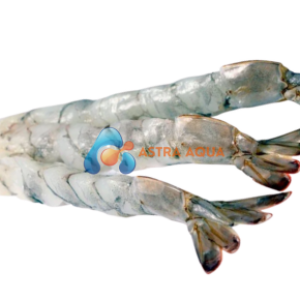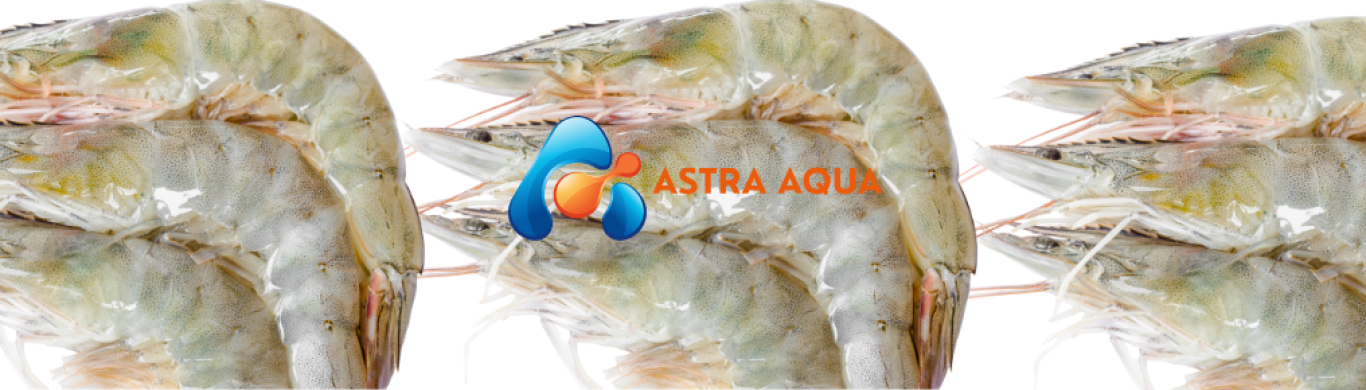
Vannamei
Vannamei (Litopenaeus vannamei) is one of the world’s leading farmed seafood species, especially in major aquaculture countries such as Vietnam, India, Ecuador, Thailand, and China. Over the past 20 years, Vannamei has become a key export product, contributing significantly to Vietnam’s seafood export revenue.
Compared to traditional black tiger prawns, Vannamei grows faster, is easier to farm, has a higher survival rate, and adapts well to various farming systems — from semi-intensive to high-tech super-intensive models.
Scientific name: Litopenaeus vannamei
Origin: Pacific coast of Central and South America
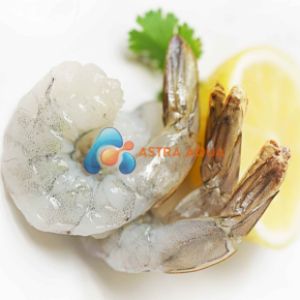
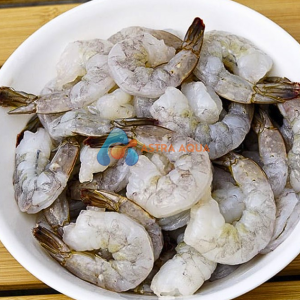
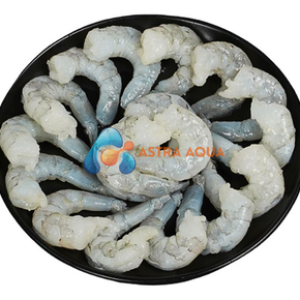
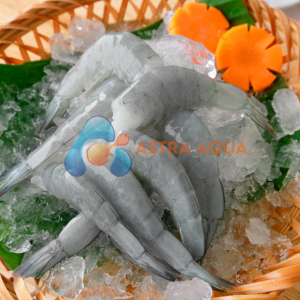
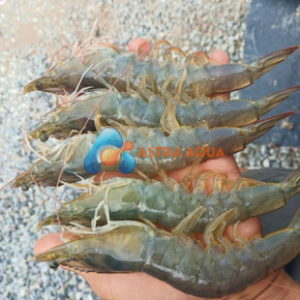
Color: Thin shell with a whitish to light bluish hue; white legs give it the name “Vannamei.”
Growth rate: Reaches commercial size (20–30g) in just 3–4 months of cultivation.
Adaptability: Thrives in salinity levels from 5‰ to 35‰ and adapts well to different environments.
Vannamei is not only a versatile ingredient for delicious dishes but also a source of excellent nutrition.
High in protein: 18–20g per 100g of meat.
Low in fat: Ideal for balanced diets and health-conscious consumers.
Rich in essential minerals: Calcium, iron, phosphorus, zinc, and iodine support bone and brain development.
Contains Vitamin B12 and Omega-3: Promotes cardiovascular and nervous system health.
Vietnam applies various modern farming methods to improve quality and productivity:
High-tech intensive farming: Using HDPE-lined ponds and recirculating water systems.
Biofloc systems: Utilizing beneficial microorganisms to reduce pollution and feed costs.
Earthen ponds: Traditional, low-cost farming method.
Integrated farming: Combining Vannamei with fish or seaweed for ecological balance.
5. Vannamei in Food Processing
Vannamei can be processed into a wide range of products for both domestic and export markets:
Fresh Vannamei: Distributed to markets, supermarkets, and restaurants.
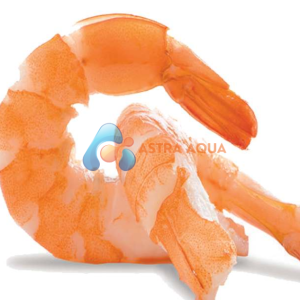
Frozen Vannamei: IQF or block frozen, HOSO/HLSO formats.
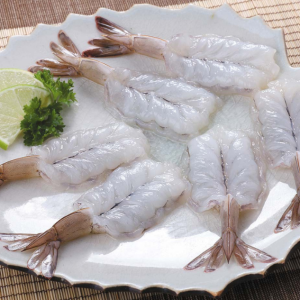
Peeled and deveined Vannamei: Ideal for quick meal preparation.
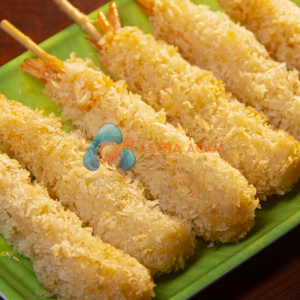
Value-added products: Breaded, marinated, or skewered for the food service and retail sectors.
6. Export Markets for Vannamei
Vietnam is among the world’s largest exporters of Vannamei. Major export destinations include:
United States: Accounts for 20–25% of Vietnam’s shrimp export value.
Europe (EU): Key markets include the Netherlands, Germany, and Belgium.
Japan: Demands strict quality and food safety standards.
China and South Korea: Stable demand and large consumption volumes.
7. Vannamei Market Prices
Prices vary depending on size, processing type, and season:
Size 30–40 pcs/kg: Higher price, used for premium processing.
Size 50–100 pcs/kg: Commonly sold in the domestic market.
Frozen export products: Prices fluctuate by processing type (HOSO, PD, PTO, etc.).
8. Economic Benefits of Vannamei Farming
High productivity and short culture cycle.
Suitable for applying advanced aquaculture technologies.
Creates jobs and generates significant foreign exchange for Vietnam’s economy.
9. Trusted Source for Quality Vannamei
When purchasing Vannamei, it is essential to choose suppliers with transparent origin, food safety certification, and traceability.
ASTRA AQUA INT’L CO., LTD is proud to be a leading supplier and exporter of premium seafood products, including Vannamei, black tiger prawns, salmon, pangasius, and tuna. With strict quality control from sourcing, processing, and preservation to logistics, Astra Aqua ensures safe, high-quality products that meet international standards.
10. Contact Information
ASTRA AQUA INT’L CO., LTD
📍 Address: 318 Phan Dinh Phung Street, Cau Kieu Ward, Ho Chi Minh City, Vietnam
📞 Phone: (+84) 938 925 489
📧 Email: sam.le@astraaquaco.com
🌐 Website: https://astraaquaco.com
Global
Partnership
DIVERSITY
PRODUCTS
DELIVERY
FAST
QUALITY
TOP-NOTCH

ASTRA AQUA INTERNATIONAL CO., LTD
Address: 318 Phan Đinh Phung, Cau Kieu Ward, Ho Chi Minh City, Vietnam
Hotline: (+84) 938925489
Email: sales01@astraaquaco.com
Website: https://astraaquaco.com
Tax Code: 0319091146