

Frozen Barramundi Fillets for the Korean Market – Sustainable Export Strategy with Astra Aqua
In the context of Vietnam's seafood industry increasingly asserting its position on the global export map, Frozen Barramundi Fillets for the Korean market are emerging as a highly potential and high-value-added segment. More than just a processed product, Barramundi fillets represent a company's capability in quality control, freezing technology, and a systematic approach to market development.

Contact us now: 0938 925 489
Astra Aqua, with its vision to become a strategic partner in the international seafood supply chain, is progressively building a Barramundi fillet production and export ecosystem that meets South Korea's stringent standards. This article will comprehensively analyze the market, standards, production processes, competitive advantages, and cooperation opportunities in developing frozen Barramundi fillets for the Korean market.
Market Potential of South Korea for Barramundi Fillets
Seafood Consumption Trends in South Korea
South Korea is one of the countries with high seafood consumption in Asia. Marine products play a crucial role in both traditional and modern cuisine. In recent years, Korean consumers have increasingly prioritized:
- Food safety
- Clear traceability
- Convenient frozen products
- Low-fat, nutrient-rich white fish
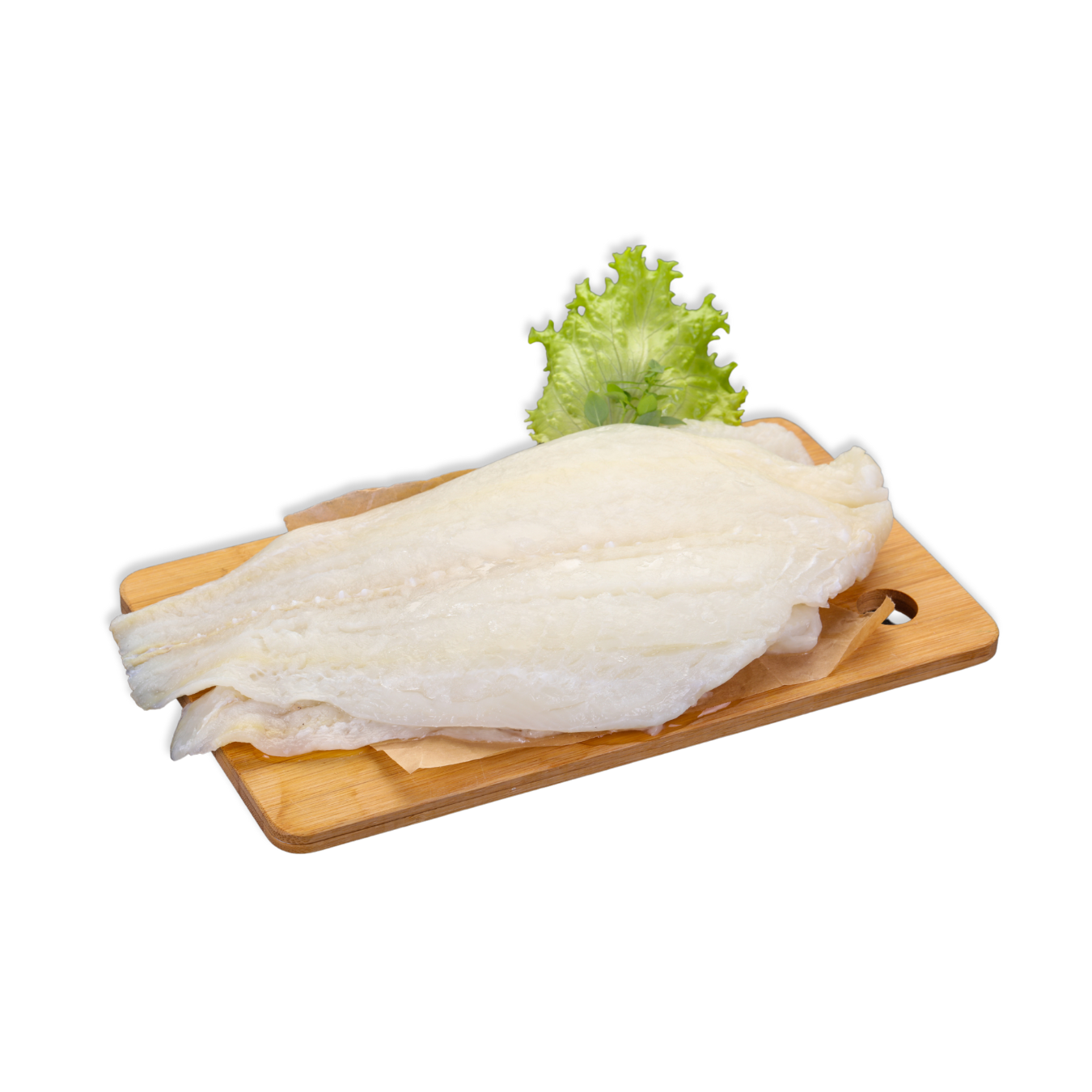
Barramundi fillets perfectly align with these trends due to their white flesh, minimal fine bones, mild flavor, and ease of preparation.
Contact us now: 0938 925 489
Why are Barramundi Fillets Popular?
Compared to whole fish, Barramundi fillets offer numerous benefits to importers and consumers:
- Easy to store and distribute
- Saves preparation time
- Reduces waste
Suitable for restaurants, supermarkets, and processing plants.
Astra Aqua observes a growing demand for Barramundi fillet imports in South Korea, particularly in the premium retail and restaurant chain segments.
Import Standards for Barramundi Fillets into South Korea
Food Safety Requirements
South Korea enforces a strict control system for imported seafood. Barramundi fillets must comply with:
- Antibiotic residue limits not exceeding the permitted level
- Absence of heavy metal contamination
- Compliance with microbiological standards
- Hygiene standards in the processing process
Astra Aqua has established a multi-layered quality control system to ensure every batch of exported Barramundi fillets meets the requirements of Korean quarantine authorities.
Transparent Traceability
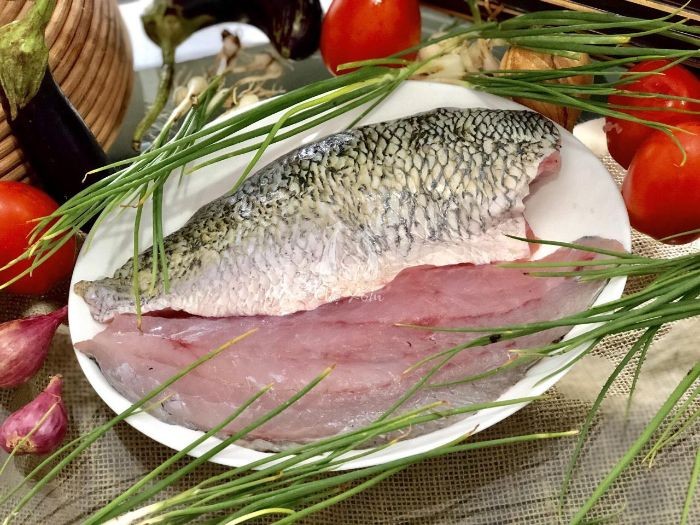
A crucial factor when exporting Barramundi fillets to South Korea is comprehensive traceability documentation. Information must be clear regarding:
- Farming areas
- Harvesting times
- Processing plants
- Lot number and production date
Astra Aqua utilizes data management throughout the supply chain to ensure transparency and consistency.
Contact us now: 0938 925 489
Barramundi Fillet Production Process at Astra Aqua
Farming Area Control
Astra Aqua partners with certified farming areas, strictly controlling:
- Water quality
- Stocking density
- Feed quality
- Pre-harvest quarantine period
This ensures the Barramundi fillet raw material consistently has firm flesh, attractive color, and uniform size.
Harvesting and Internal Transportation
The harvesting process is conducted according to standards that minimize stress on the fish, helping to maintain optimal flesh quality. After harvesting, the raw material is rapidly transported to the processing plant under controlled temperature conditions.
Processing and Filleting
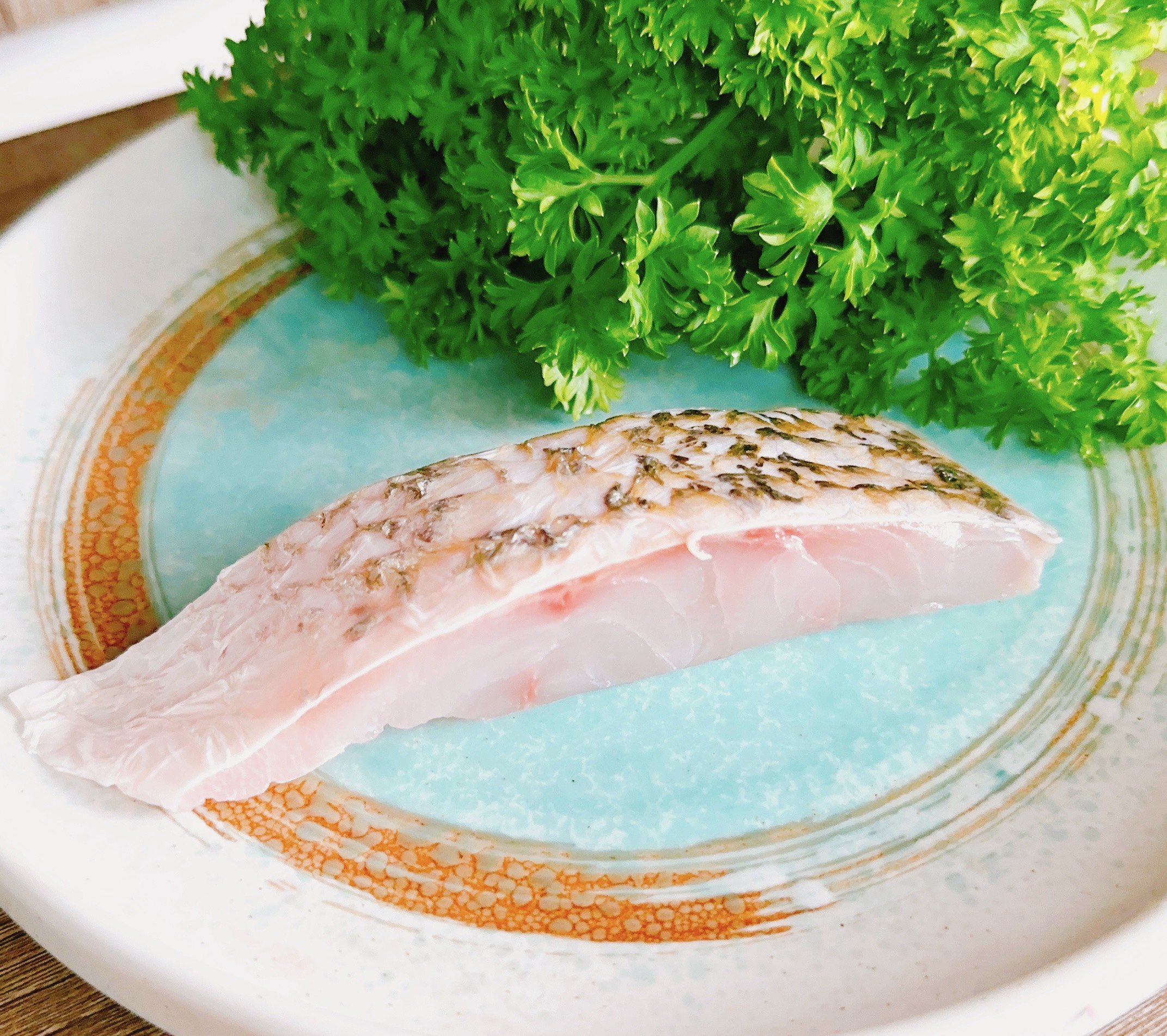
At the factory, the Barramundi fillet processing procedure includes:
- Cleaning
- Deboning
- Skinning as per request
- Size grading
- Sensory inspection
Each step adheres strictly to food safety and hygiene regulations.
Contact us now: 0938 925 489
Quick Freezing Technology
Quick freezing is the key factor determining the quality of frozen Barramundi fillets. Modern technology helps to:
- Preserve the muscle fiber structure
- Minimize water loss
- Retain nutritional value
- Extend shelf life
Astra Aqua ensures a continuous cold chain from the factory to the port of South Korea.
Export Product Forms of Barramundi Fillets
Astra Aqua offers a diverse range of Barramundi fillet specifications to meet the demands of the Korean market:
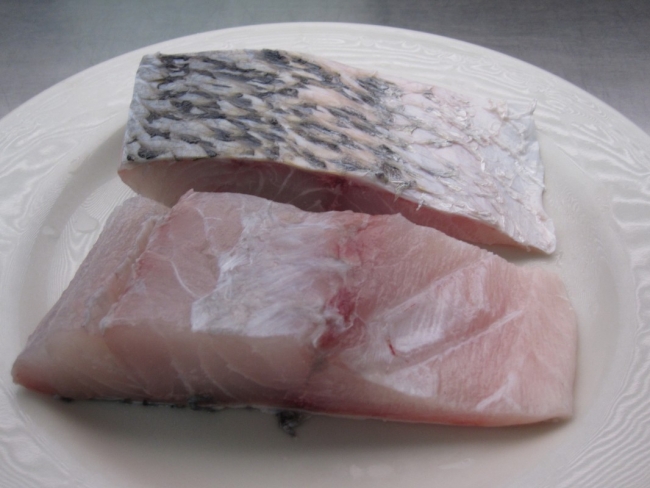
- Skin-on Barramundi fillets
- Skinless Barramundi fillets
- Portioned fillets as per request
- Retail or industrial packaging
This flexibility in specifications allows Astra Aqua to optimize its competitiveness.
Astra Aqua's Competitive Advantages in Barramundi Fillet Exports
Closed-Loop Supply Chain
Astra Aqua controls the entire process from farming to export, enabling:
- Proactive supply management
- Consistent quality assurance
- Cost optimization
- Reduced delivery times
- Legal documentation and partner support
When exporting Barramundi fillets to South Korea, Astra Aqua provides comprehensive:
- Quarantine certificates
- Customs clearance documents
- Certificates of origin
- Traceability records
This ensures peace of mind for partners throughout the import and distribution process.
Contact us now: 0938 925 489
International Market Marketing Mindset
Beyond production, Astra Aqua also focuses on building the brand image of Vietnamese Barramundi fillets in South Korea through:
- Enhancing product image
- Ensuring consistency
- Building long-term cooperative relationships
Challenges and Solutions for Barramundi Fillet Exports
Regional Competition
The Korean market has numerous suppliers from various countries. To compete effectively, Barramundi fillets must ensure:
- Superior quality
- Competitive pricing
- Stable service
Astra Aqua focuses on long-term value rather than short-term competition.
Logistics Volatility
International shipping costs can fluctuate. Astra Aqua optimizes packaging, selects suitable shipping routes, and maintains a stable cold chain to ensure cost-effectiveness.
Cooperation Opportunities with Astra Aqua
With a strong foundation in Barramundi fillet production and export, Astra Aqua seeks to expand cooperation with:
- Seafood importers in South Korea
- Supermarket chains
- Restaurants
- Food processing companies
Astra Aqua is committed to providing high-quality Barramundi fillets, a stable supply, and professional services.
10 Frequently Asked Questions
1. What standards must frozen Barramundi fillets exported to South Korea meet?
Answer: Products must comply with food safety standards, have antibiotic residue levels within permitted limits, meet microbiological regulations, and possess quarantine certificates and full traceability documentation.
2. How does Astra Aqua control the quality of Barramundi fillets?
Answer: Astra Aqua strictly manages the entire process from farming, harvesting, processing to freezing and transportation, ensuring consistent quality of Barramundi fillets that meet the requirements of the Korean market.
3. What are the export specifications for Barramundi fillets?
Answer: They can be exported as skin-on fillets, skinless fillets, portioned cuts, or packaged according to the specific requirements of importers.
4. Why does the Korean market prefer frozen Barramundi fillets?
Answer: Barramundi fillets have white, mild-flavored flesh, few fine bones, are easy to prepare, and align with the trend of convenient, safe food consumption.
5. How does freezing technology affect product quality?
Answer: Quick freezing preserves the muscle structure, minimizes water loss, retains nutrients, and ensures product quality upon reaching the consumer.
6. How long does it take to transport Barramundi fillets to South Korea?
Answer: The duration depends on the logistics method, but the cold chain is always maintained throughout to ensure product quality.
7. What factors influence the price of Barramundi fillets exported to South Korea?
Answer: Prices depend on fish size, cut specifications, order quantity, shipping costs, and international market fluctuations.
8. What should Korean businesses prepare when importing Barramundi fillets?
Answer: They need an import license, to complete customs declarations, comply with quarantine regulations, and ensure their cold storage facilities meet standards.
9. Does Astra Aqua guarantee a stable supply?
Answer: Thanks to a closed-loop supply chain and systematic production management, Astra Aqua ensures a stable supply of consistent quality Barramundi fillets to its partners.
10. How can I contact Astra Aqua for Barramundi fillet import needs?
Answer: Businesses can contact us via hotline 0938 925 489, email sam.le@astraaquaco.com, or visit our website https://astraaquaco.com for detailed consultation.
Contact Information for Astra Aqua
- Astra Aqua
- Address: 318 Phan Dinh Phung Street, Cau Kieu Ward, Ho Chi Minh City, Vietnam
- Hotline: 0938 925 489
- Email: sam.le@astraaquaco.com
- Tax Code: 0319091146
- Website: https://astraaquaco.com
Frozen Barramundi fillets for the Korean market represent a strategic opportunity to enhance the value of Vietnamese seafood. With a stringent quality control system, a closed-loop supply chain, and a commitment to sustainable development, Astra Aqua is progressively establishing its position as a trusted partner in the Barramundi fillet export sector.
The synergy of quality standards, operational capabilities, and market insight will be the foundation for Vietnamese Barramundi fillets to successfully conquer the Korean market in the long term.