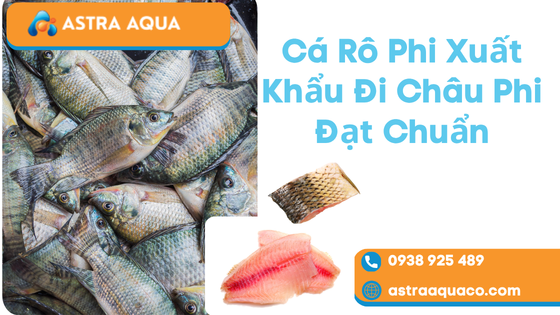


Frozen Tilapia Fillet Export to South Korea – A Strategic Opportunity for Vietnamese Seafood Businesses
In the context of the global seafood market's strong shift towards convenient, safe, and traceable products, frozen tilapia fillet exports to South Korea are emerging as a highly potential segment. South Korea is a nation with high seafood consumption, a modern distribution system, and stringent quality control standards. This requires Vietnamese businesses not only to ensure production volume but also to invest systematically in production processes and market strategies.
With a commitment to sustainable development and quality control throughout the supply chain, Astra Aqua is steadily building a strong position in the tilapia export sector, especially with its frozen fillet product line.
Contact us now: 0938 925 489
Overview of the South Korean Market for Frozen Tilapia Fillet
Demand for White Fish Consumption in South Korea
South Korea is one of the major seafood importing markets in Asia. Korean consumers tend to:
- Prioritize convenient, easy-to-prepare products.
- Focus on nutritional and health aspects.
- Choose products with food safety certifications.
- Value transparency in origin.
Among white fish, frozen fillets are increasingly popular because they are:
- Boneless and easy to prepare.
- Suitable for modern families.
- Ideal for restaurants and food chains.
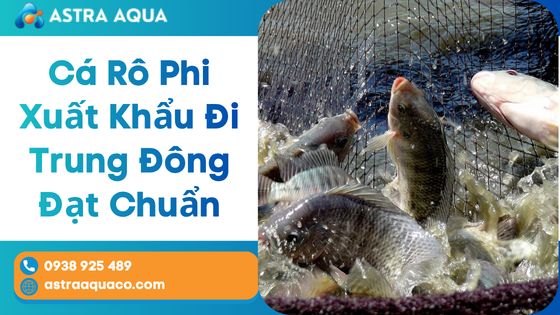
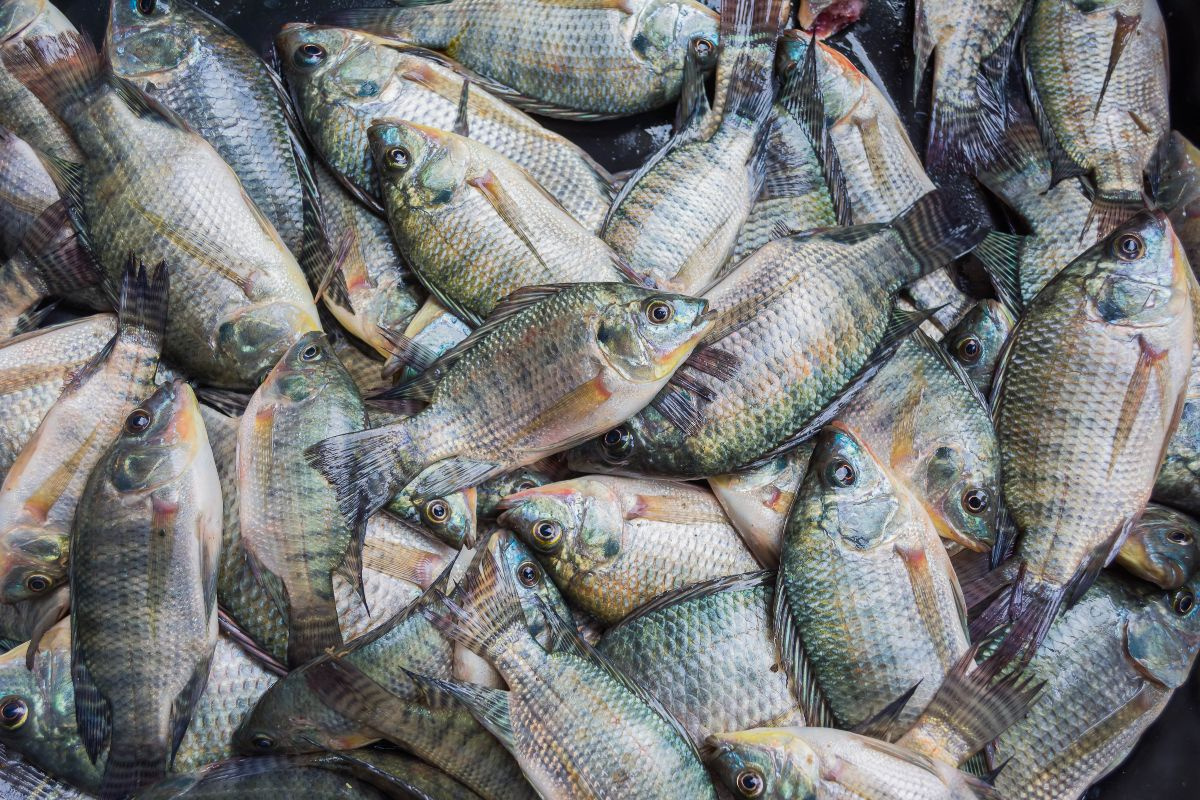
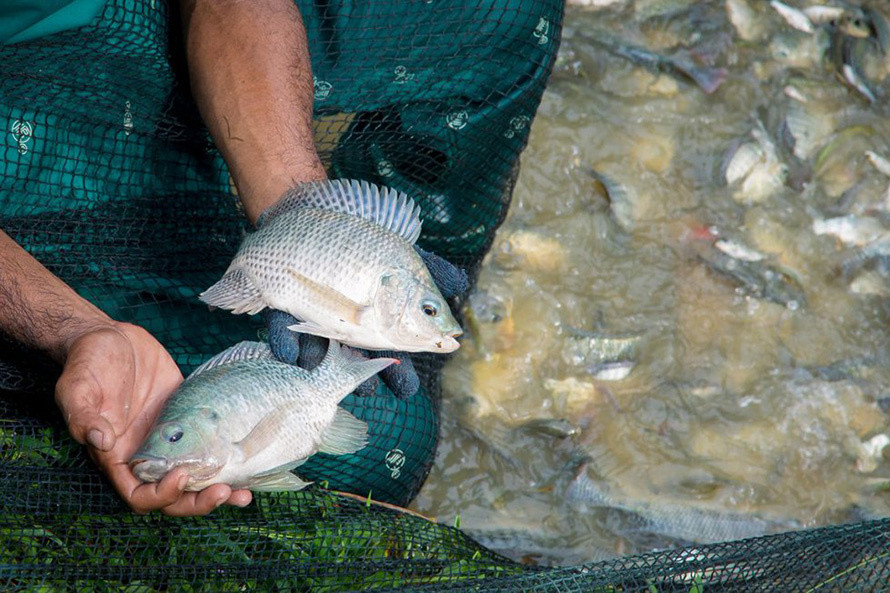
Tilapia fillets, with their white, tender, less fishy meat and competitive price, are becoming a viable alternative to more expensive marine fish species.
Contact us now: 0938 925 489
Frozen Food Consumption Trends in South Korea
Busy Urban Lifestyles
The development of supermarkets and e-commerce.
Demand for Convenient Food Storage
Frozen tilapia fillets meet these criteria well due to their long shelf life and preservation of nutritional value when frozen using proper processes.
Key Features of Frozen Tilapia Fillet
Meat Quality
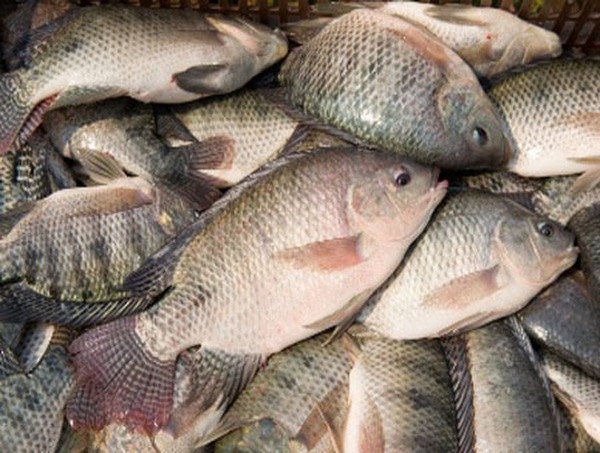
Tilapia has white meat with a firm texture and few small bones. When processed and frozen using appropriate techniques, the fillets retain:
- Natural elasticity.
- Fresh and delicious flavor.
- Stable protein content.
Versatility in Preparation
Tilapia fillets are suitable for various Korean culinary styles:
- Pan-seared fish.
- Spicy stewed fish.
- Crispy fried fish.
- Gochujang glazed grilled fish.
Its high adaptability to Korean seasonings is a significant competitive advantage.
Contact us now: 0938 925 489
Standard Production Process for Frozen Tilapia Fillet for Export
Farm Control
Fillet quality begins at the farm. Tilapia must be raised in an environment that is:
- Strictly controlled for antibiotics.
- Free from banned chemicals.
- Maintains complete farm records.
Good management from the start helps reduce the risk of residues upon export.
Harvesting and Transportation
Fish are harvested at the appropriate size, quickly processed, and transported in suitable temperature conditions to maintain freshness.
Filleting and Pre-processing
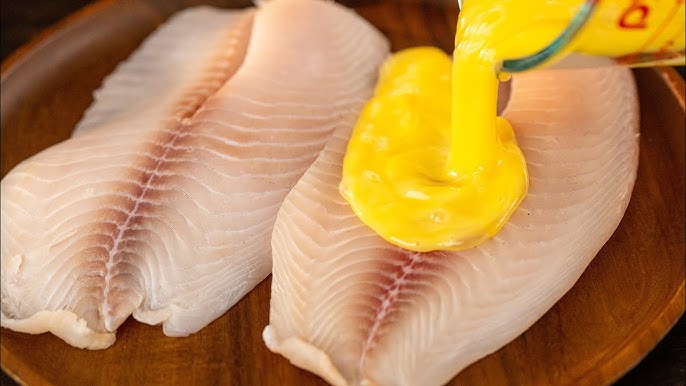
The filleting process must ensure:
- Complete bone removal.
- Washing according to hygiene standards.
- Uniform size grading.
- Rapid freezing.
Rapid freezing technology helps to:
- Preserve muscle tissue structure.
- Minimize water loss.
- Maintain quality during storage.
The standard storage temperature is typically maintained at deep freezing levels to ensure stable quality.
Contact us now: 0938 925 489
South Korean Import Standards for Tilapia Fillet
Food Safety Requirements
South Korea strictly controls:
- Antibiotic residues.
- Heavy metals.
- Microbiological parameters.
Violating shipments may be detained, returned, or destroyed.
Certification Systems
Factories must have:
- HACCP.
- ISO 22000.
- Phytosanitary certificates.
Adherence to quality management systems is mandatory for market entry.
Labeling Regulations
Products must clearly display:
- Product name.
- Origin.
- Production date.
- Expiration date.
- Storage conditions.
Opportunities for Tilapia Fillet Development in South Korea
Competitive Pricing Advantage
Compared to cod or salmon, tilapia fillets are more affordably priced, making them suitable for the mid-range consumer segment.
Restaurant and Retail Chain Market
The growth of restaurant chains and supermarkets creates significant consumption opportunities for frozen fillet products.
Value-Added Products
Businesses can develop:
- Breaded fillets.
- Sauce-marinated fillets.
- Conveniently packaged products.
This helps increase profit margins and enhance brand value.
Contact us now: 0938 925 489
Challenges in Exporting Tilapia Fillet to South Korea
International Competition
China is a major competitor in the competitive price segment for tilapia.
Logistics Cost Fluctuations
International shipping costs and exchange rate fluctuations can impact profitability.
Technical Barriers
Import regulations may change, requiring businesses to stay constantly updated.
Effective Marketing Strategies for Tilapia Fillet
Building a Sustainable Brand
Korean consumers highly value products with a story:
- Responsible aquaculture.
- Traceable origin.
- Commitment to quality.
- Optimized product imagery.
Professional packaging and clear information enhance trust.
Collaborating with Local Partners
Connecting with Korean distributors helps to understand local preferences and the retail system.
Astra Aqua's Role in the Supply Chain
In a market demanding high quality and stability, Astra Aqua acts as a partner for businesses in the tilapia export value chain.
Astra Aqua focuses on:
- Quality control from the farm.
- Partnerships with internationally certified factories.
- Consultation on export documentation.
Support in Connecting with Korean Partners
With a strategy of sustainable and transparent development, Astra Aqua helps businesses enhance their competitiveness and optimize the frozen tilapia fillet export process.
Future Trends of Tilapia Fillet in South Korea
Korean consumers are increasingly interested in:
- Environmentally friendly food.
- Sustainable packaging.
- Products with international certifications.
Tilapia fillets produced under green models and strict quality control will have long-term advantages.
Exporting frozen tilapia fillets to South Korea is a segment rich with potential but requires meticulous preparation in terms of quality, legal documentation, and market strategy.
Businesses aiming for success need to:
- Standardize farming areas.
- Strictly control production processes.
- Comply with import standards.
- Build a sustainable brand.
With the support of Astra Aqua, businesses can effectively tap into the South Korean market, enhance the value of Vietnamese tilapia, and achieve stable long-term growth.
10 Frequently Asked Questions
1. What standards must frozen tilapia fillet exported to South Korea meet?
Answer: Products must comply with South Korea's food safety regulations, including standards for antibiotic residues, heavy metals, microorganisms, and clear traceability requirements.
2. What certifications does South Korea require for importing frozen tilapia?
Answer: Companies like Astra Aqua typically need certifications such as HACCP, ISO 22000, phytosanitary certificates for aquaculture, and Certificates of Origin (C/O) under relevant trade agreements.
3. What is the packaging specification for tilapia fillet exported to South Korea?
Answer: Products are usually IQF or block frozen, packed in PE/PA bags, vacuum-sealed, and then boxed in cartons according to specifications of 5kg, 10kg, or as per partner requirements.
4. What are the standard storage and transportation temperatures?
Answer: Frozen tilapia fillet must be stored and transported at a minimum temperature of -18°C to ensure quality and food safety throughout the cold chain.
5. What is the shelf life of frozen tilapia fillet?
Answer: Depending on the freezing process and storage conditions, the shelf life is typically 18–24 months from the production date.
6. What fillet sizes are preferred in the South Korean market?
Answer: The market generally prefers uniformly cut, skinless, boneless fillets, with common sizes ranging from 100–200g or 200–300g per piece, depending on the restaurant or retail segment.
7. What is the import duty for frozen tilapia into South Korea?
Answer: Import duties may be preferential or reduced under free trade agreements between Vietnam and South Korea, depending on the HS code and valid Certificate of Origin.
8. What is the quality inspection process upon arrival at South Korean ports?
Answer: South Korean quarantine authorities will inspect documentation, take samples for microbiological and chemical residue testing before official customs clearance.
9. What documents does a company need to prepare for export to South Korea?
Answer: Documents include the commercial contract, invoice, packing list, bill of lading, phytosanitary certificate, Certificate of Origin (C/O), and relevant food safety certifications.
10. How can competitiveness be increased when exporting tilapia to South Korea?
Answer: Businesses should focus on consistent quality, farm control meeting standards, optimizing logistics costs, building their own brand, and maintaining long-term trust with importers.
Contact Information
- Astra Aqua
- Hotline: 0938 925 489
- Address: 318 Phan Dinh Phung, Cau Kieu Ward, Ho Chi Minh City, Vietnam
- Email: sam.le@astraaquaco.com
- Tax Code: 0319091146
- Website: https://astraaquaco.com