

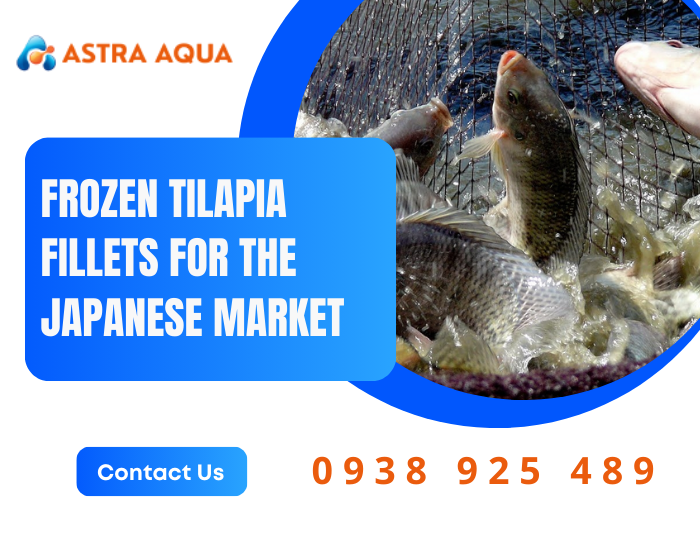
Frozen Tilapia Fillets for the Japanese Market – Standards, Opportunities, and Solutions from Astra Aqua
Overview of Frozen Tilapia Fillets for Export to Japan
The Japanese market has long been considered one of the most demanding in the world for seafood imports. Japanese consumers not only care about flavor but also set very high standards for food safety, traceability, freshness, color, and packaging. In this context, frozen tilapia fillets are becoming one of the products with strong growth potential due to their ability to simultaneously meet the factors of quality, cost, and supply stability.
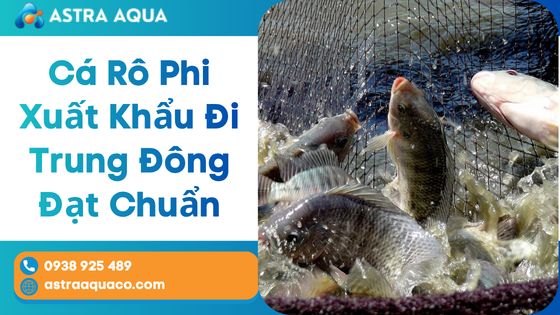
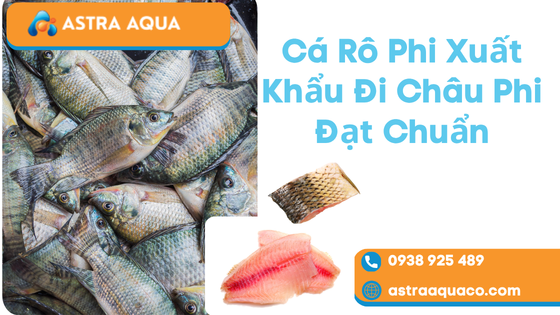
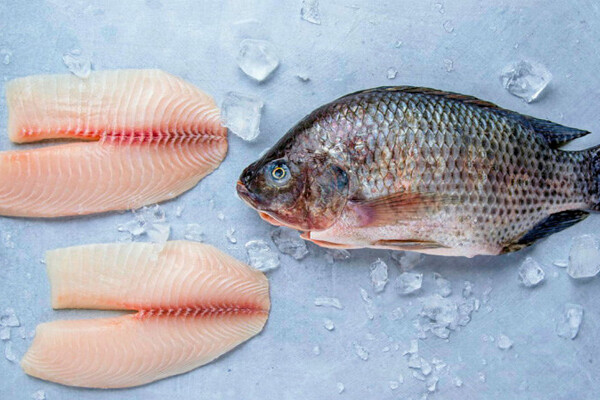
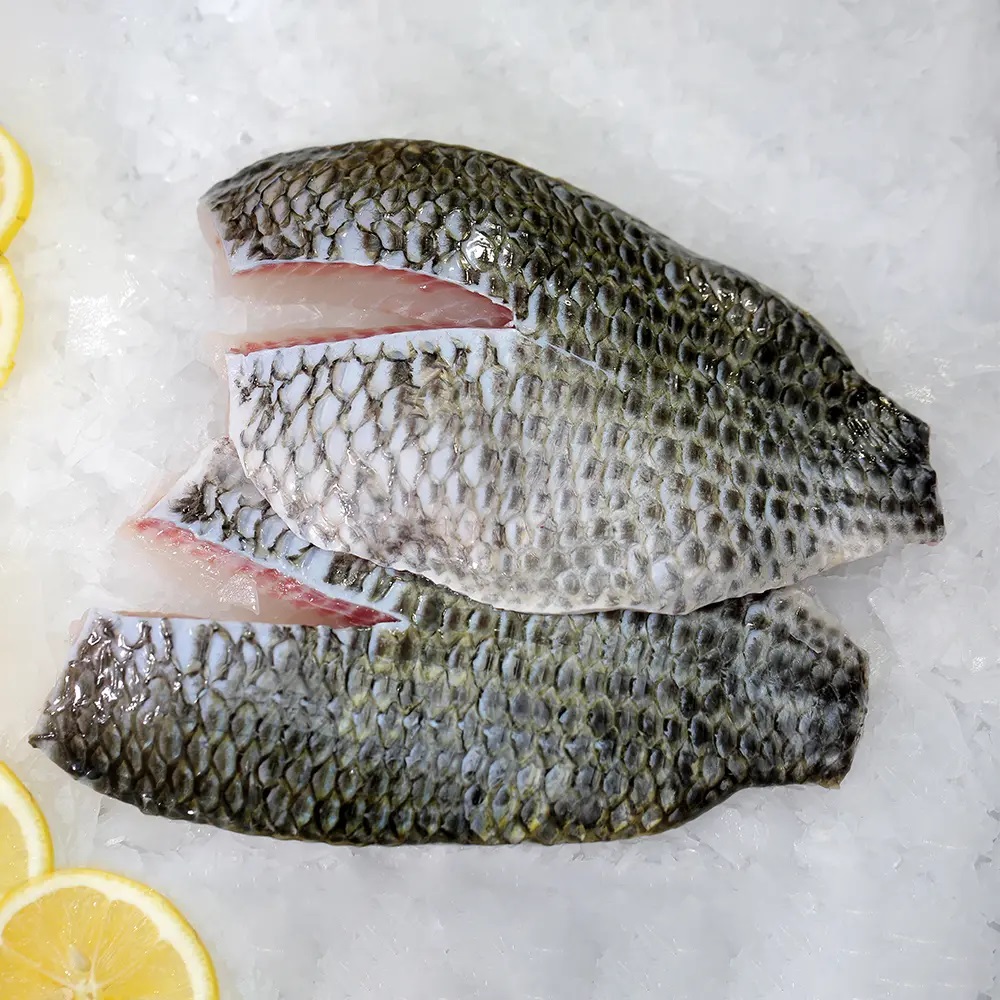
Tilapia is a white fish, rich in protein, with few pin bones, easy to process, and suitable for many popular cooking methods in Japan such as deep-frying, steaming, grilling, pan-searing, or in industrial meal preparations. When processed into frozen fillets, the product not only retains its nutritional value but also optimizes preservation and international transportation.
Contact us now: 0938 925 489
Astra Aqua is oriented towards strong development in the frozen tilapia fillet segment for the Japanese market, building a closed supply chain from farming to processing and export, ensuring full compliance with the strict technical standards of Japanese partners.
Japanese Market Characteristics for Tilapia Products
Consumer Preferences and Seafood Selection Trends
Japan has one of the highest per capita seafood consumption rates in the world. However, consumers are increasingly concerned about:
- Food safety
- Products with clear origins
- Sustainable farming processes
- Convenient, easy-to-prepare foods
Frozen tilapia fillets meet this trend thanks to:
- No complex preparation required
- Easy portioning
- Suitable for supermarket chains, restaurants, and industrial kitchens
- Easy to store in cold storage systems
Competition and Opportunities for Vietnamese Businesses
Many countries export tilapia to Japan. However, Vietnam has advantages in:
- Natural conditions suitable for tilapia farming
- Seafood export experience
- Processing plants meeting international standards
- Advantages from trade agreements
Astra Aqua leverages these advantages to optimize production costs, enhance quality, and increase the competitiveness of frozen tilapia fillets in the Japanese market.
Contact us now: 0938 925 489
Technical Standards for Frozen Tilapia Fillets
Food Safety Requirements
Japan strictly controls the following indicators:
- Antibiotic residues
- Heavy metals
- Harmful microorganisms
- Preservative chemicals
Frozen tilapia fillets must not exceed permissible limits and must be tested before export. Lot documentation must include inspection certificates, sanitary certificates, and traceability records.
Astra Aqua implements a multi-layer quality control system, from farming to processing and packaging, to ensure every batch of tilapia meets export standards for Japan.
Product Sensory Requirements
Japanese consumers pay particular attention to sensory factors. Tilapia fillets must achieve:
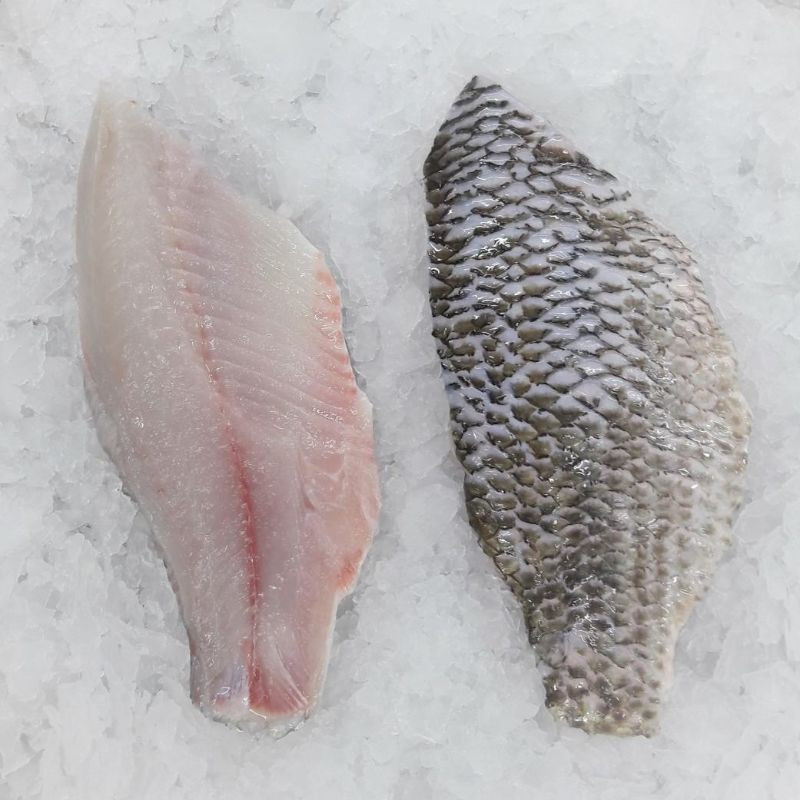
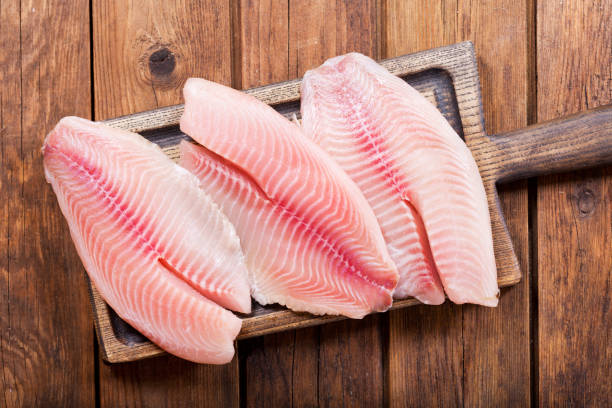
- Natural bright white flesh color
- No bruising
- No off-odors
- Firm flesh texture
- Appropriate moisture content
Filleting specifications must be uniform, free of bones, and rapidly frozen to preserve the flesh structure.
Contact us now: 0938 925 489
Packaging and Labeling Standards
Packaging must be:
- Clean, sealed, and hygienic
- Able to withstand deep freezing temperatures
- Provide complete product information
- Clearly state origin, production date, and expiration date
Astra Aqua designs packaging processes according to the specific requirements of each Japanese partner, ensuring professionalism and suitability for distribution systems.
Frozen Tilapia Fillet Production Process at Astra Aqua
Standardized Farming Area Management
Fillet quality begins with the quality of fingerlings and the farming environment. Astra Aqua strictly controls:
- Water quality in farming areas
- Standardized feed
- Appropriate stocking density
- Monitoring fish health
Limiting antibiotic use and effective disease management help tilapia achieve high quality, meeting export requirements.
Harvesting and Raw Material Processing
The harvesting process is carried out at the right time to ensure:
- Uniform weight
- Firm fish flesh
- Optimal nutritional content
After harvesting, tilapia is immediately taken to the chilling system to rapidly reduce temperature, minimizing biochemical changes.
Contact us now: 0938 925 489
Filleting and Freezing Process
At the processing plant, the process includes:
- Thorough washing of raw materials
- Filleting according to standards
- Removal of bones and excess fat
- Size grading
- Rapid freezing
Fast freezing technology helps preserve the muscle structure, color, and nutritional value of tilapia.
Final Quality Control
Before export, each batch of frozen tilapia fillets undergoes:
- Microbiological testing
- Chemical analysis
- Weight inspection
- Packaging inspection
Only products meeting the standards are exported to the Japanese market.
Astra Aqua's Competitive Advantages in Tilapia Fillet Exports
Closed Supply Chain
Astra Aqua has built a synchronized production ecosystem from farming to export. This allows for:
- Comprehensive quality control
- Stable production volume
- Reduced intermediary risks
- Cost optimization
- Highly skilled team
The technical, quality control, and export team has a deep understanding of Japanese market regulations. This allows Astra Aqua to proactively adjust processes according to policy changes.
Commitment to Sustainable Development
Consumer trends in Japan increasingly emphasize environmental factors. Astra Aqua is committed to:
- Sustainable aquaculture
- Reduced emissions
- Efficient resource utilization
- Information transparency
This enhances the reputation of Vietnamese tilapia in a premium market.
Contact us now: 0938 925 489
Applications of Frozen Tilapia Fillets in Japan
Frozen tilapia fillets are used in various segments:
- Restaurant chains
- Retail supermarkets
- Industrial kitchens
- Food processing plants
The product can be processed into:
- Fried tilapia
- Tilapia with teriyaki sauce
- Steamed tilapia
- Grilled tilapia
- Canned meals
High versatility makes frozen tilapia fillets a suitable choice for many customer groups.
Challenges and Long-Term Development Strategy
Despite significant potential, exports to Japan still face:
- High technical barriers
- Logistics costs
- International competition
- Detailed traceability requirements
Astra Aqua aims to invest in deep processing technology, enhance added value, and expand partnerships in Japan to sustainably increase market share.
10 Frequently Asked Questions
1. Are frozen tilapia fillets suitable for the Japanese market?
Answer: Yes. Frozen tilapia fillets meet the demand for convenient, easy-to-prepare, white flesh, and boneless fish suitable for many popular Japanese dishes.
2. What standards does the Japanese market require for imported tilapia?
Answer: Products must ensure food safety, have no residual antibiotics exceeding limits, meet microbiological standards, have clear traceability, and comply with strict quarantine regulations.
3. How does Astra Aqua control the quality of tilapia fillets?
Answer: Astra Aqua controls the entire chain from farming, harvesting, processing, freezing, to packaging and testing before export to Japan.
4. How does freezing technology affect product quality?
Answer: Rapid freezing helps preserve the muscle structure, natural color, and nutritional value of tilapia, while also extending shelf life.
5. How are frozen tilapia fillets packaged?
Answer: Products are sealed, hygienic, and clearly labeled with traceability information, production date, and expiration date as per Japanese partner requirements.
6. Why is traceability important in Japan?
Answer: Japanese consumers and regulatory authorities require transparent information from farm to table to ensure product safety and sustainability.
7. What dishes can frozen tilapia fillets be used for in Japan?
Answer: The product is suitable for fried fish, grilled, steamed, pan-seared, industrial meals, and many convenient dishes in supermarket chains.
8. What should businesses do to partner with Astra Aqua?
Answer: Businesses can contact directly via hotline, email, or website for product specifications and suitable export solutions.
9. What is the biggest challenge in exporting tilapia to Japan?
Answer: The main challenges include high technical standards, strict food safety control requirements, and international competition.
10. How to contact Astra Aqua quickly?
Answer: You can contact Astra Aqua via hotline 0938 925 489, email sam.le@astraaquaco.com, or visit the website https://astraaquaco.com for detailed consultation.
Astra Aqua Contact Information
- Astra Aqua
- Address: 318 Phan Dinh Phung, Cau Kieu Ward, Ho Chi Minh City, Vietnam
- Hotline: 0938 925 489
- Email: sam.le@astraaquaco.com
- Tax Code: 0319091146
- Website: https://astraaquaco.com
Frozen tilapia fillets for the Japanese market represent a high-value segment requiring strict technical standards and a long-term development strategy. To succeed, businesses must build transparent supply chains, ensure comprehensive quality control, and flexibly meet partner requirements.
With a professional orientation, a synchronized production system, and a commitment to quality, Astra Aqua is steadily affirming its position in the export of tilapia to Japan, contributing to enhancing the value of Vietnamese seafood in the international market.