

Frozen Whiteleg Shrimp Exported to China – A Strategic Growth Trend for Vietnam's Seafood Industry
China consistently ranks among the world's largest seafood import markets, with strong growth in shrimp consumption driven by a large population, improved living standards, and rapidly developing modern distribution systems. Within its import structure, frozen whiteleg shrimp accounts for a significant proportion due to its competitive pricing, stable quality, and ability to meet diverse processing needs.
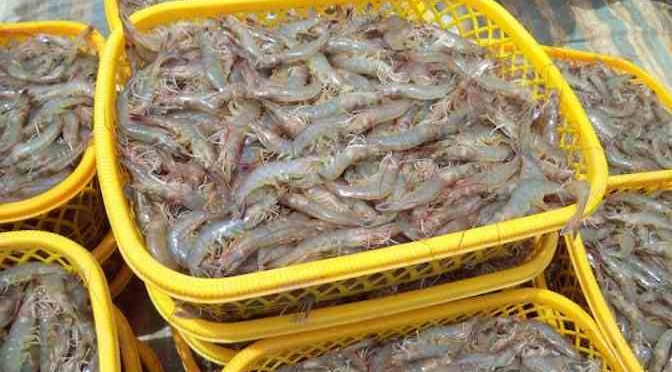
Vietnamese frozen whiteleg shrimp is highly regarded for its professional farming processes, modern processing systems, and ability to meet the stringent standards of Chinese regulatory bodies. This represents not just a commercial opportunity but also a long-term market expansion strategy if businesses can establish sustainable supply chains.
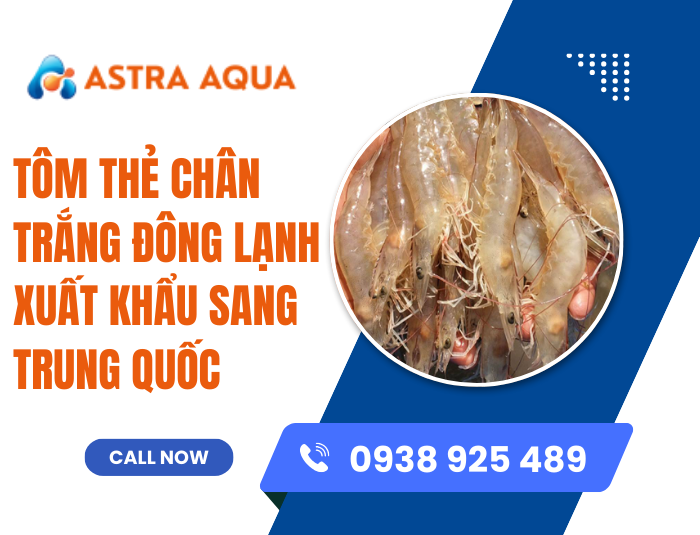
Contact us now: 0938 925 489
With a focus on quality and transparent sourcing, Astra Aqua is rapidly growing its frozen whiteleg shrimp export segment to the Chinese market, building a reputation through stringent quality control and professional customer service.
China Market Overview for Frozen Whiteleg Shrimp
Import Volume and Consumption Trends
China is a country with one of the highest per capita seafood consumption rates in Asia. Frozen whiteleg shrimp are widely used in:
- Hot pot and seafood restaurant chains
- Supermarkets and modern retail systems
- Frozen food processing plants
- Food e-commerce channels
Chinese consumers are increasingly concerned about food safety, product origin, and quality standards. This creates an advantage for businesses with clear traceability systems and internationally compliant production processes.
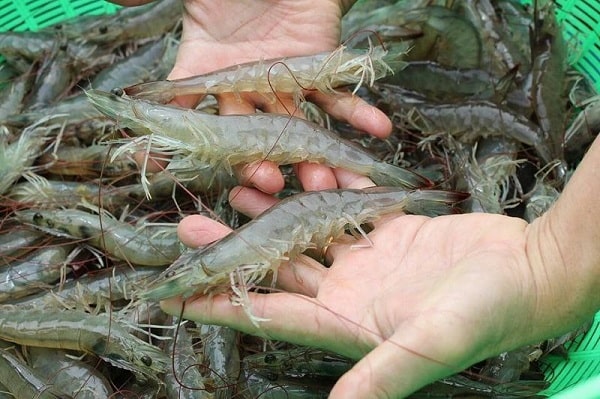
Contact us now: 0938 925 489
Growth Drivers for the Frozen Segment
Frozen products offer several advantages:
- Long-term preservation
- Maintains freshness and nutritional value
- Suitable for large-volume sea transport
- Ensures stable supply year-round
In the context of international trade demanding high quality control, frozen whiteleg shrimp effectively meets both economic and technical requirements.
Competitive Advantages of Vietnamese Whiteleg Shrimp
Reasonable Price, Large Output
Vietnam is one of the leading whiteleg shrimp producing countries in the region. By applying intensive and semi-intensive farming technologies, stable output is ensured with optimized costs.
This allows products to compete effectively in the Chinese market, where price remains a significant factor in import decisions.
International Standard Processing System
Processing plants are equipped with IQF rapid freezing lines, automated sorting systems, and export-standard cold storage. Quality control processes include:
- Antibiotic residue testing
- Microbiological testing
- Heavy metal testing
- Storage temperature control
Astra Aqua implements a strict quality management process to ensure every export shipment meets China's food safety standards.
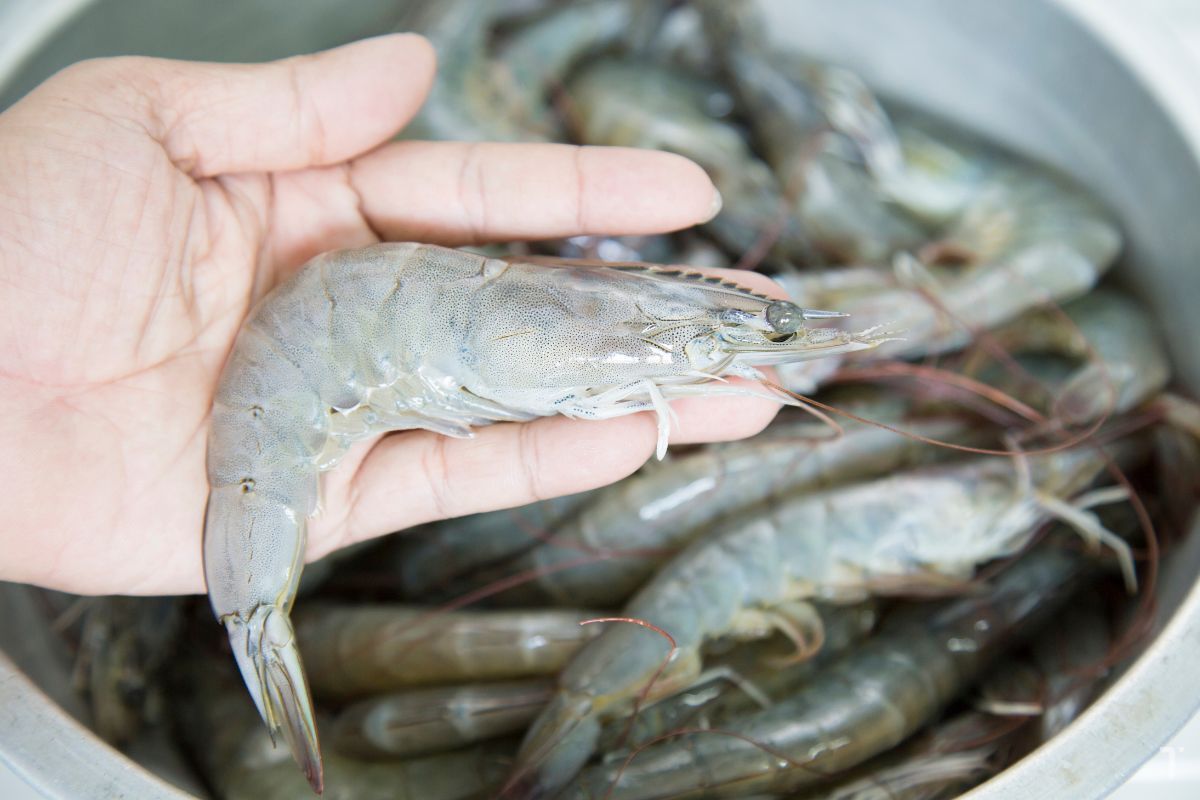
Contact us now: 0938 925 489
Popular Frozen Whiteleg Shrimp Product Forms
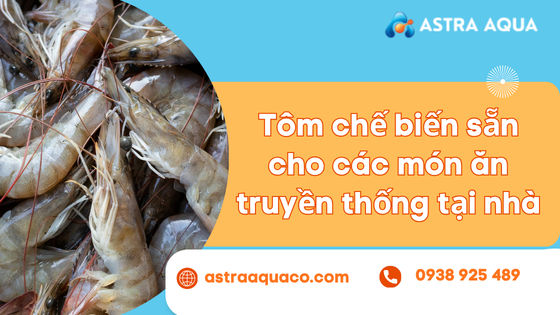
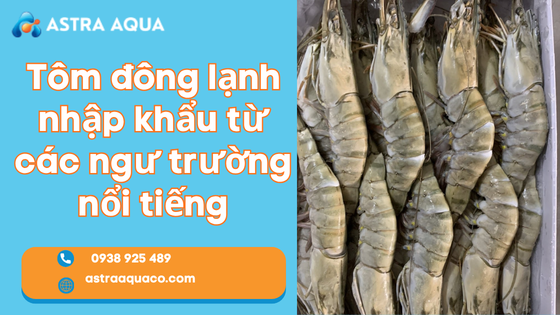
HOSO (Head On Shell On)
Astra Aqua believes whole shrimp with head and shell on are popular in the restaurant segment and for raw material processing.
HLSO (Headless Shell On)
Headless but shell-on, suitable for industrial processing.
PTO (Peeled Tail On)
Peeled with tail on, convenient for restaurants and supermarkets.
PD (Peeled Deveined)
Peeled and deveined, ready for cooking.
Product diversity allows businesses to flexibly meet the needs of various customer segments in China.
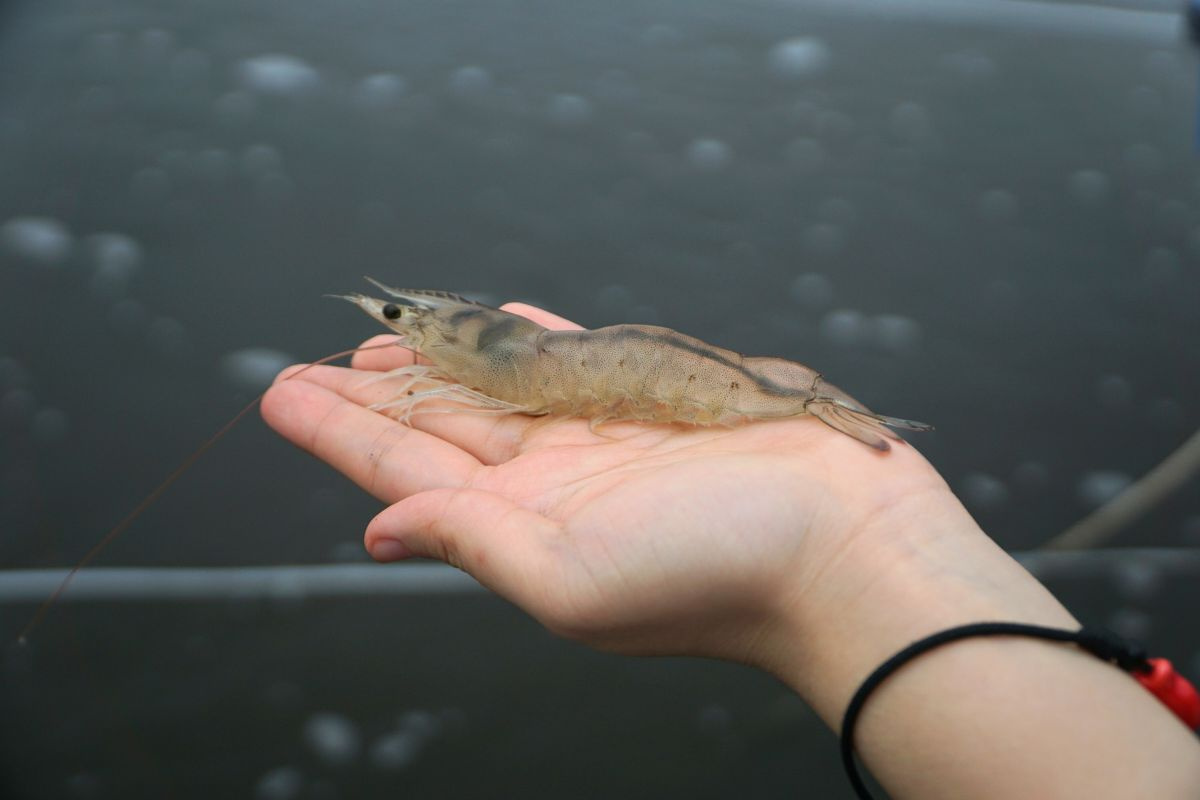
Contact us now: 0938 925 489
Regulations and Standards for Export to China
Enterprise Registration with Chinese Customs
Businesses must be officially approved and registered. The application includes factory information, production processes, and quality certifications.
Quarantine and Food Safety Requirements
Each shipment must have:
- Quarantine Certificate
- Certificate of Origin
- Antibiotic residue test results
- Traceability records
China has particularly strict controls on banned antibiotics, making control of whiteleg shrimp farming areas a core factor.
Labeling Regulations
Product labels must fully display information in Chinese according to regulations, including:
- Product name
- Country of origin
- Production date
- Expiration date
- Storage conditions
- Manufacturer information
Professional Export Process
Farm Control
Farms are regularly monitored for water quality, feed, and disease. Farming practices adhere to biosecurity standards.
Harvesting and Preliminary Processing
Shrimp are quickly transported to the processing plant after harvesting to ensure maximum freshness before freezing.
Freezing and Packaging
Products are deep-frozen to preserve meat structure and nutritional value. Packaging is designed according to partner requirements.
Shipping and Customs Clearance
Refrigerated containers maintain a temperature of -18°C throughout the journey. Documentation is prepared thoroughly to ensure smooth customs clearance.
Contact us now: 0938 925 489
Sustainable Development Strategy in the Chinese Market
Building a Reputable Brand
The Chinese market prioritizes businesses with clear branding, transparent information, and long-term commitments.
Optimizing Logistics Costs
Controlling transportation costs enhances competitive advantage in a price-sensitive market.
Long-Term Partnerships with Importers
Sustainable partnerships ensure stable supply and reduce market volatility risks.
10 Frequently Asked Questions
1. What certifications are required for exporting frozen whiteleg shrimp?
Answer: A quarantine certificate, food safety certificate, and valid enterprise registration with Chinese customs are required.
2. What is the shipping time?
Answer: Varies by destination port, typically 7–20 days.
3. What is the minimum MOQ?
Answer: Depends on product specifications and contract agreements.
4. Can packaging be customized with our own brand?
Answer: OEM processing is available upon partner request.
5. What are the common payment terms?
Answer: T/T or L/C as per trade agreement.
6. Is Certificate of Origin support provided?
Answer: CO can be provided upon request.
7. How to ensure products are not rejected?
Answer: Strict control of antibiotic residues and compliance with labeling regulations.
8. Can products be supplied year-round?
Answer: Yes, if farming areas and output are stably controlled.
9. Is sample testing supported before contract signing?
Answer: Samples can be provided upon partner request.
10. Which company is a reputable supplier?
Answer: Astra Aqua is an experienced enterprise with an internationally certified quality control system.
Contact Information
- Astra Aqua Co., Ltd.
- Hotline: 0938 925 489
- Address: 318 Phan Dinh Phung Street, Cau Kieu Ward, Ho Chi Minh City, Vietnam
- Email: sam.le@astraaquaco.com
- Tax Code: 0319091146
- Website: https://astraaquaco.com