

High-Quality Fresh Squid Preservation – The Solution to Retain Seafood Freshness and Flavor

In today's modern food industry, especially in the fresh seafood sector, product quality depends not only on the source of capture but also on the post-harvest preservation process. For squid – a high-value seafood product with strong domestic and export consumption – proper preservation is crucial for maintaining its freshness, flavor, nutritional value, and food safety.
Currently, the demand for squid in the restaurant, hotel, supermarket, and export systems is increasing significantly. Therefore, businesses operating in the high-quality fresh seafood sector need to invest seriously in cold chains, preservation technologies, and quality inspection processes.
Among the rapidly developing entities in the market, Astra Aqua Company is a trusted partner for many due to its strict quality control system, providing international standard export live seafood.
Fresh Seafood and the Importance of Squid Preservation
Squid is a seafood with tender flesh and high water content, making it susceptible to quality degradation if not handled and preserved correctly. After being caught, enzymes in the squid's body continue to be active, causing the flesh to soften quickly, reducing its natural sweetness, and promoting microbial growth.
For premium fresh seafood, the time from capture to transportation into cold storage must be strictly controlled. Even a short period of temperature fluctuation can affect the color, texture, and overall quality of the squid.
Companies like Astra Aqua are currently implementing continuous temperature monitoring processes to ensure squid quality before it is brought to market or exported internationally.
What is Standard Quality Fresh Seafood?
In the international seafood industry, the standard for fresh seafood goes beyond just freshness and also relates to:
-
Transparent origin
-
Hygienic fishing practices
-
Continuous cold chain preservation
-
Food safety standards
-
Strict quality inspection
-
Traceability
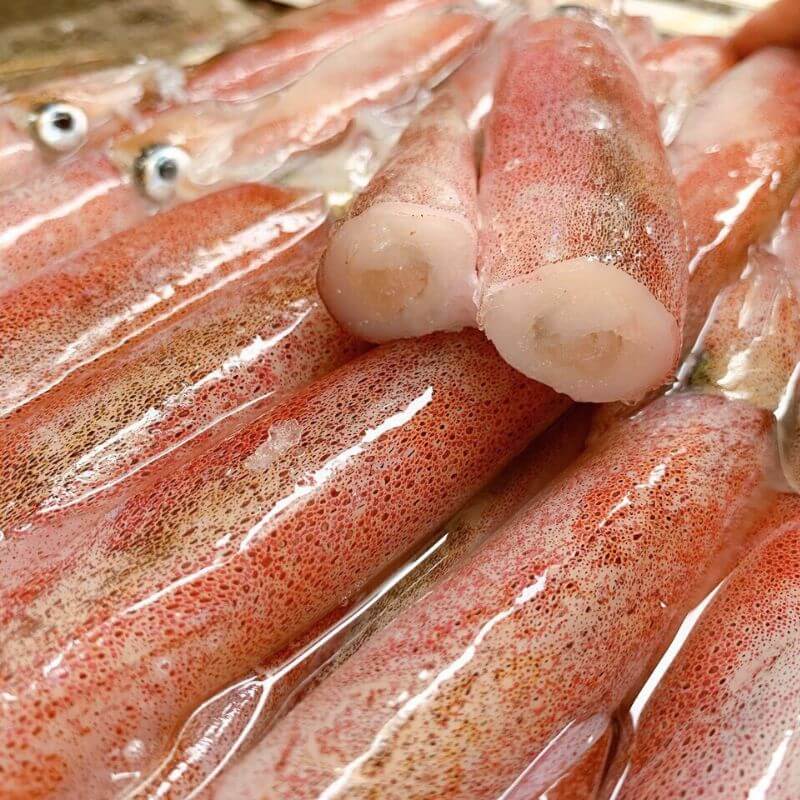
For squid, a product that meets standards typically has:
-
Clear, bright eyes
-
Natural glossy skin
-
Firm flesh
-
Natural sea odor
-
Not slimy
-
No abnormal discoloration
These factors are important criteria in Astra Aqua Company's inspection system when supplying imported and exported fresh seafood.
Fresh Seafood Requires Professional Preservation Processes
Immediate Cooling After Catching
This is the foremost crucial step in squid preservation. After being brought aboard, squid needs to be:
-
Rinsed with clean seawater
-
Cleared of impurities
-
Rapidly cooled using ice or cold water
This process helps limit the activity of bacteria and natural enzymes.
In the export fresh seafood industry, companies often use rapid chilling technology to preserve the initial quality of the product.
Maintaining Stable Temperature in the Cold Chain
The ideal temperature for preserving fresh squid typically ranges from:
-
0°C to 4°C for short-term fresh squid
-
-18°C or below for frozen squid for export
If the temperature fluctuates, squid flesh can easily:
-
Become watery
-
Soften
-
Lose sweetness
-
Develop off-odors
This is why companies specializing in premium fresh seafood always invest heavily in cold storage and logistics systems.
Periodic Quality Inspection
A batch of squid meeting standards must undergo several inspection steps, such as:
-
Color check
-
Storage temperature measurement
-
Microbial testing
-
Freshness assessment
-
Flesh elasticity test
Astra Aqua Company currently emphasizes its inspection processes to meet the stringent requirements of the international market.
Fresh Seafood and Popular Squid Preservation Methods
Preservation with Ice
This is the most common method in the domestic fresh seafood industry.
Advantages:
-
Low cost
-
Easy to implement
-
Maintains short-term freshness
Disadvantages:
-
Difficult to control uniform temperature
-
Prone to meltwater contamination
-
Not suitable for long-distance transportation
-
IQF Freezing Preservation
IQF (Individual Quick Freezing) is a technology that rapidly freezes each item individually.
This technology is widely applied in the premium fresh seafood export industry.
Advantages:
-
Preserves meat structure well
-
Minimizes water loss
-
Easy for long-term storage
-
Ensures uniform quality
Many companies, like Astra Aqua, prioritize IQF technology to enhance export value.
Preservation with Ultra-Low Temperature Technology
Some premium markets currently require ultra-low temperature preservation technology to maintain near-original freshness.
This technology helps to:
-
Slow down oxidation
-
Maintain natural color
-
Preserve characteristic sea flavor
This is a new development trend in the international fresh seafood industry.
Standard Quality Fresh Seafood Enhances Export Value

Vietnam is one of the world's major seafood exporting countries. Among these, squid and octopus are consistently among the high-value products.
However, to compete in the international market, businesses need to:
-
Ensure stable quality
-
Meet HACCP standards
-
Control food safety
-
Invest in cold logistics
-
Ensure traceability transparency
These factors contribute to enhancing brand reputation and the value of Vietnam's fresh seafood industry.
Astra Aqua Company and the High-Quality Fresh Seafood Development Direction
Sustainable Development Orientation
Astra Aqua Company focuses its development on:
-
International quality
-
Transparent supply sources
-
Strict quality inspection
-
Professional services
The company not only provides products but also builds sourcing and inspection solutions for international partners.
Multi-Layer Quality Control
For squid and other export fresh seafood products, Astra Aqua focuses on:
-
Incoming quality inspection
-
Temperature control
-
Sensory evaluation
-
Food safety testing
-
Cold chain monitoring
This enhances product stability during international transit.
Meeting International Market Demands
Currently, importing markets have very high demands for premium fresh seafood.
Common criteria include:
-
No antibiotic residues
-
Hygiene assurance
-
Compliance with export standards
-
Clear traceability documentation
This is also why companies like Astra Aqua need to invest heavily in quality management systems.
Fresh Seafood and Common Squid Preservation Mistakes

Unstable Temperatures
This is the primary reason for squid to:
-
Lose crispness
-
Become watery
-
Develop a strong fishy odor
In the restaurant fresh seafood industry, maintaining stable temperatures is a mandatory requirement.
Improper Thawing
Many entities thaw using hot water or leave them at room temperature for too long, leading to:
-
Rapid bacterial growth
-
Loss of nutritional value
-
Deterioration of flesh quality
-
Non-standard Packaging
Poor quality packaging can lead to:
-
Squid oxidation
-
Loss of freshness
-
Cross-contamination
This is a very important factor in the export fresh seafood industry.
Fresh Seafood and International Preservation Standards
Major markets today require businesses to adhere to numerous strict standards, such as:
HACCP
Hazard Analysis and Critical Control Points system in food production.
ISO
International quality management standards that ensure process consistency.
BRC
Global standard for food safety, required by many international retailers.
Halal
Standards for the Islamic market.
These standards help Vietnam's fresh seafood industry enhance its international competitiveness.
Fresh Seafood and Current Consumer Trends
Modern consumers are increasingly concerned about:
-
Product origin
-
Freshness
-
Nutritional value
-
Preservation process
-
Food safety level
This necessitates businesses in the high-quality fresh seafood sector to invest more in:
-
Preservation technology
-
Traceability
-
Smart cold chains
-
Cold logistics
What Are the Benefits of High-Quality Fresh Seafood?
Retains Nutritional Value
Properly preserved squid helps to:
-
Maintain natural protein
-
Preserve minerals
-
Maintain flesh sweetness
-
Enhance user experience
For restaurants and hotels, squid quality directly impacts:
-
Dish flavor
-
Perceived freshness
-
Brand reputation
-
Increased commercial value
Export-standard fresh seafood generally offers:
-
Higher selling prices
-
Lower spoilage rates
-
Easier access to international markets
Fresh Seafood and the Role of the Cold Supply Chain
The cold supply chain plays an extremely important role in the modern seafood industry.
This chain includes:
-
Fishing vessels
-
Cold storage facilities
-
Refrigerated trucks
-
Processing plants
-
Refrigerated containers
-
Warehouses
If even one link in the chain fails, the quality of the squid can be severely affected.
This is why companies like Astra Aqua always focus on controlling the entire operational process.
Astra Aqua Company – A Trusted Fresh Seafood Partner

In an increasingly quality-conscious market, choosing a reputable supplier is crucial.
Astra Aqua Company is developing with the following orientation:
-
Stable quality
-
Transparent origin
-
Strict quality inspection
-
Professional services
-
Aiming for international standards
The company focuses on solutions for the export fresh seafood industry, helping partners optimize sourcing and effectively control quality.
Squid is a high-value product but also requires an extremely stringent preservation process. In the fresh seafood industry, maintaining freshness, safety, and stable quality is the decisive factor for a company's competitiveness in both domestic and international markets.
From the cooling process, quality inspection to cold logistics chains, everything needs to be invested in meticulously to preserve the natural flavor and nutritional value of the product.
With a professional development orientation, focusing on quality and international standards, Astra Aqua Company is gradually affirming its position in the field of supplying and inspecting high-quality fresh seafood for the global market.
Contact Information
ASTRA AQUA INTERNATIONAL CO., LTD.
Address: 318 Phan Dinh Phung, Cau Kieu Ward, Ho Chi Minh City, Vietnam
Hotline: 0938 925 489
Email: sam.le@astraaquaco.com
Website: astraaquaco.com
Tax Code: 0319091146