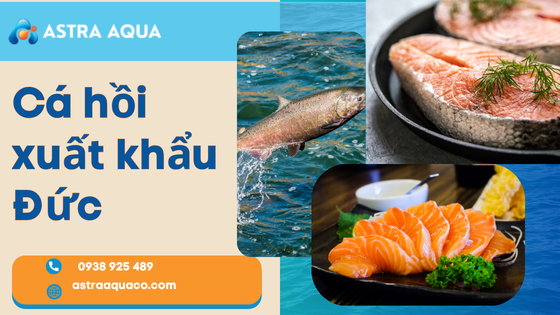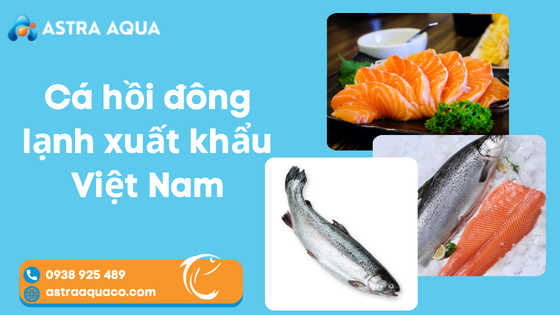


The export of aquaculture and seafood products has always been a field with immense potential, yet fraught with challenges, especially when targeting discerning markets like Europe. Among these, salmon, with its superior quality and stringent cultivation and processing standards, has established its strong position. This article will delve into the process of exporting salmon to the European market, the key factors driving success, and future development prospects.
Overview of the European Salmon Market
The European market consistently upholds high standards for quality, food safety, and sustainability. For salmon products, European consumers are increasingly concerned about origin, farming methods (wild-caught versus farmed), and international certifications. The demand for salmon in this region is substantial, encompassing fresh, frozen, and processed products. Countries like France, Germany, Spain, Italy, and the UK are leading salmon consumption markets.
To penetrate and maintain a position in this market, exporting businesses must thoroughly understand food safety regulations (e.g., HACCP, BRC), traceability requirements, and especially aquatic animal health standards. Furthermore, the trend towards green and sustainable consumption is gaining momentum, requiring products that are not only delicious but also environmentally and socially responsible.

Salmon (Salmo Salar) Export Process to Europe
Exporting Salmon (Salmo Salar) to the European market is a complex process that demands meticulous preparation and strict adherence to regulations. The following are the key steps:
1. Selecting Reputable Suppliers and Farming Areas
The initial and most crucial step is to find high-quality salmon suppliers that meet international standards. While Vietnam is not a traditional salmon farming country, advancements in technology and professional farming models have enabled some businesses to achieve export-ready standards. Choosing farms with certifications like GlobalG.A.P., ASC (Aquaculture Stewardship Council), or equivalent certifications is paramount. Astra Aqua International Co., Ltd., with its expertise in seafood sourcing, can assist businesses in identifying and evaluating potential suppliers, ensuring product origin and quality.
2. Ensuring Quality and Food Safety
Europe has stringent food safety regulations. Therefore, the entire process, from farming and harvesting to processing and packaging, must comply with standards such as HACCP (Hazard Analysis and Critical Control Points). A quality management system must be established and consistently maintained. Shipments prior to export need to undergo regular testing for microbiological, chemical, and heavy metal indicators to ensure they do not exceed the permissible limits set by the European Union.
3. Preparing Legal Documents and Certifications
To export to Europe, businesses must prepare comprehensive legal documents, including: Business Registration Certificates, Operating Licenses, and Food Safety Compliance Certificates. Additionally, certificates of origin, product quality certifications, and environmental/sustainability certifications (if applicable) will provide a significant competitive advantage. For salmon, labeling and product information requirements must also comply with EU regulations.
4. Packaging and Transportation Process
Salmon is a sensitive seafood product requiring specialized packaging and transportation to preserve its freshness. Typically, salmon is prepped, cleaned, and then vacuum-sealed or packaged in specialized insulated containers. Depending on customer requirements and transit time, salmon can be shipped fresh (using styrofoam boxes with gel packs or dry ice) or frozen. The cold chain must be continuously maintained from processing to the final consumer. Common transportation methods include air freight (for fresh, short-transit cargo) or sea freight (for frozen cargo).
5. Customs Procedures and Clearance
Upon arrival at the port of entry in Europe, the exporting business or importer must complete customs procedures according to the regulations of the respective EU member state. This includes providing all necessary documents such as: Sales Contracts, Bills of Lading, Certificates of Origin (C/O), Animal Health Certificates, and other relevant paperwork. Port inspections at the destination are mandatory to verify compliance with food safety and quality regulations.
Key Success Factors for Exporting Salmon to Europe
To conquer the highly competitive European market, businesses must focus on the following factors:
Superior and Consistent Quality
This is a non-negotiable factor. Salmon quality encompasses freshness, flavor, color, texture, and particularly nutritional content. Investing in advanced farming and processing technologies, along with rigorous quality control, will ensure products consistently meet the highest standards. Businesses can refer to international standards like ISO 22000 to establish their quality management systems.
Clear Traceability
European consumers are highly concerned about the origin of their food. A transparent traceability system that allows customers to know where the product comes from and how it was farmed builds strong trust. The implementation of technologies like QR codes on product packaging is an effective solution.
Sustainability and Social Responsibility
The trend towards green consumption is increasingly prevalent. Seafood products farmed using sustainable methods, minimizing environmental impact, protecting natural resources, and demonstrating social responsibility, will have a competitive edge. Certifications like ASC are clear evidence of this commitment.
Brand Building and Distribution Channels
Building a reputable brand associated with quality and reliability is crucial. Furthermore, establishing effective distribution channels, whether through major importers, supermarket chains, or high-end restaurants in Europe, will help products reach the right target audience.
Professional Support Services
For Vietnamese businesses, accessing and fully understanding the European market can be challenging. Services such as sourcing, inspection, legal consultation, and export-import procedure support from reputable entities like Astra Aqua play a vital role in minimizing risks and optimizing the process.
Development Potential of Vietnamese Salmon in the European Market
Although the global salmon market faces intense competition from traditional producers like Norway, Scotland, and Iceland, Vietnam possesses its own advantages and potential. The diversification of Vietnam's seafood exports, including tuna, pangasius, black tiger shrimp, and white-leg shrimp, along with the development of value-added products, demonstrates the capability and flexibility of Vietnam's seafood industry. As advanced salmon farming models continue to expand and adopt international standards, Vietnamese salmon can certainly establish its position in discerning markets like Europe, alongside other key products.
Focusing on quality, sustainability, and brand building will be the key for Vietnamese seafood products, including salmon, to successfully conquer international markets.
Contact Information
For more information on seafood export solutions, sourcing, and inspection services, please contact:
Astra Aqua International Co., Ltd.
Address: 318 Phan Dinh Phung, Cau Kieu Ward, Ho Chi Minh City, Vietnam
Hotline: (+84) 938 925 489
Phone: 0938 925 489
Email: sam.le@astraaquaco.com
Website: https://astraaquaco.com