

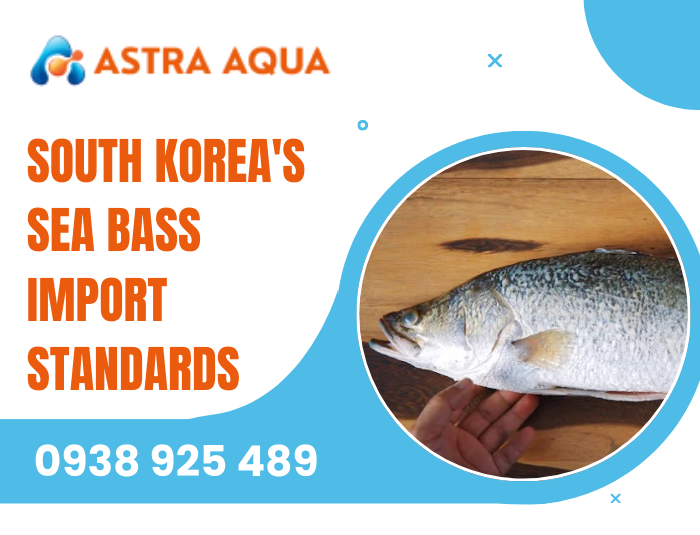
South Korea's Sea Bass Import Standards – A Detailed Guide for Export Businesses
South Korea is one of the largest seafood import markets with some of the strictest quality control standards in Asia. For Vietnamese businesses, understanding South Korea's sea bass import standards not only ensures smooth customs clearance but also enhances brand reputation in the long term.
In this article, Astra Aqua will provide a detailed analysis of all legal, technical, and commercial requirements related to exporting Sea Bass Fillets to South Korea, along with practical solutions to help businesses optimize their processes.
Contact us immediately: 0938 925 489
Overview of the Sea Bass Market in South Korea
Increasing Demand for White Fish Consumption
South Korean consumers increasingly prefer foods that are rich in protein, low in fat, and beneficial for health. White fish like sea bass are highly valued for:
- White, naturally sweet flesh
- Few small bones
- Easy to prepare
- Suits Korean palate
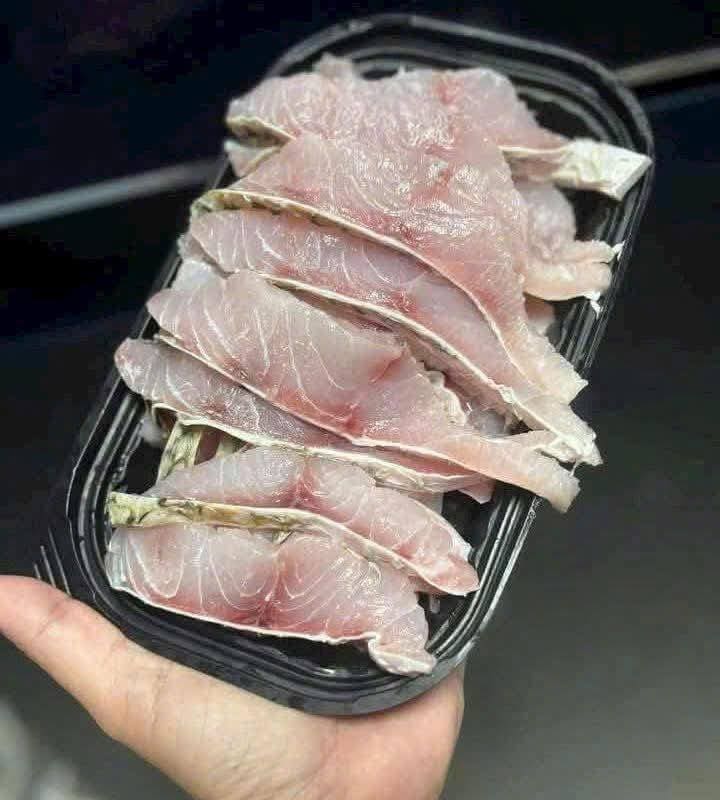
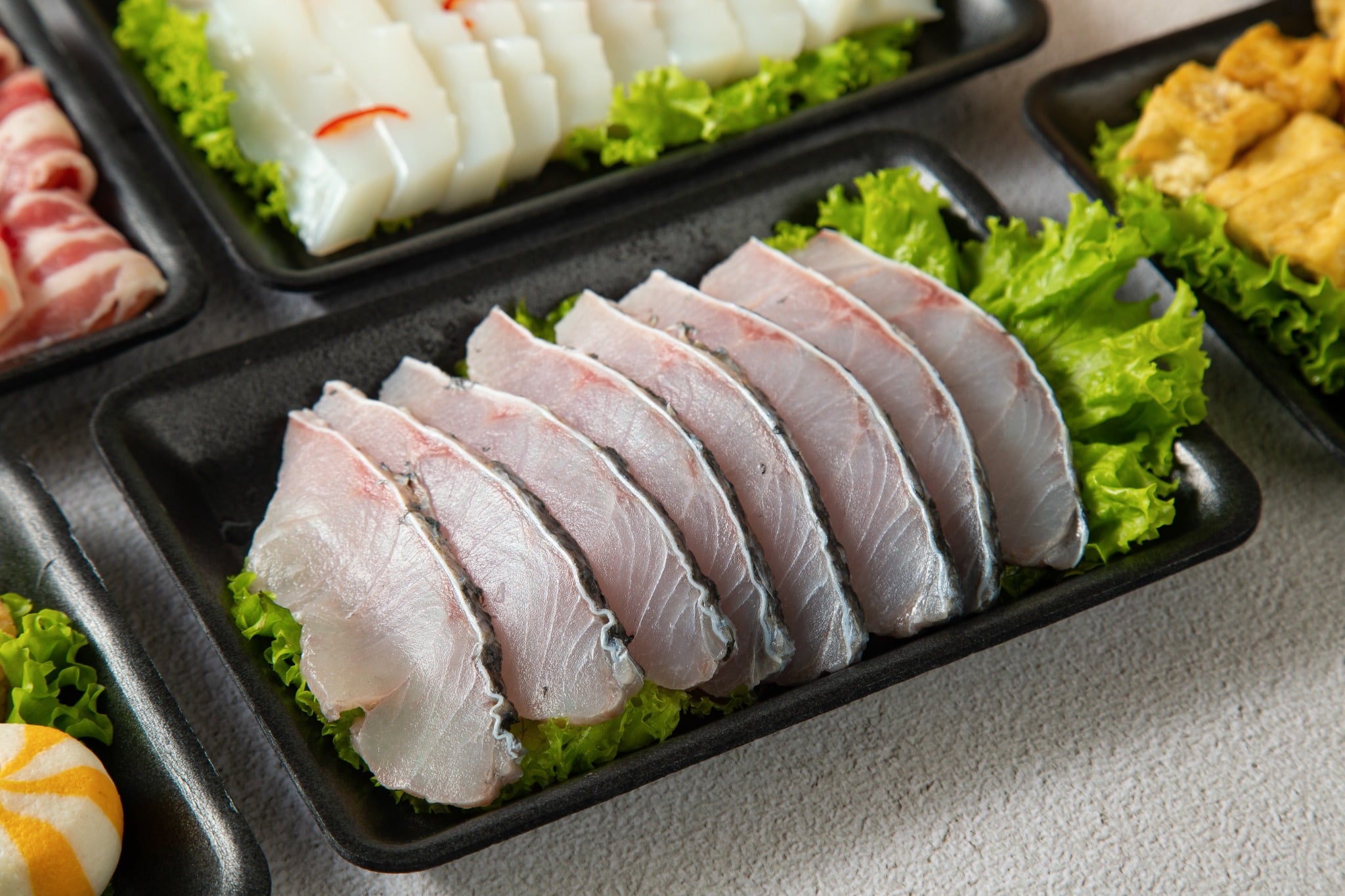
Sea Bass Fillets are particularly popular in the high-end restaurant, supermarket, and HORECA segments.
Opportunities for Vietnamese Businesses
With its aquaculture advantages and competitive costs, Vietnam has significant potential to supply sea bass to this market. However, technical barriers and food safety standards are the decisive factors for success.
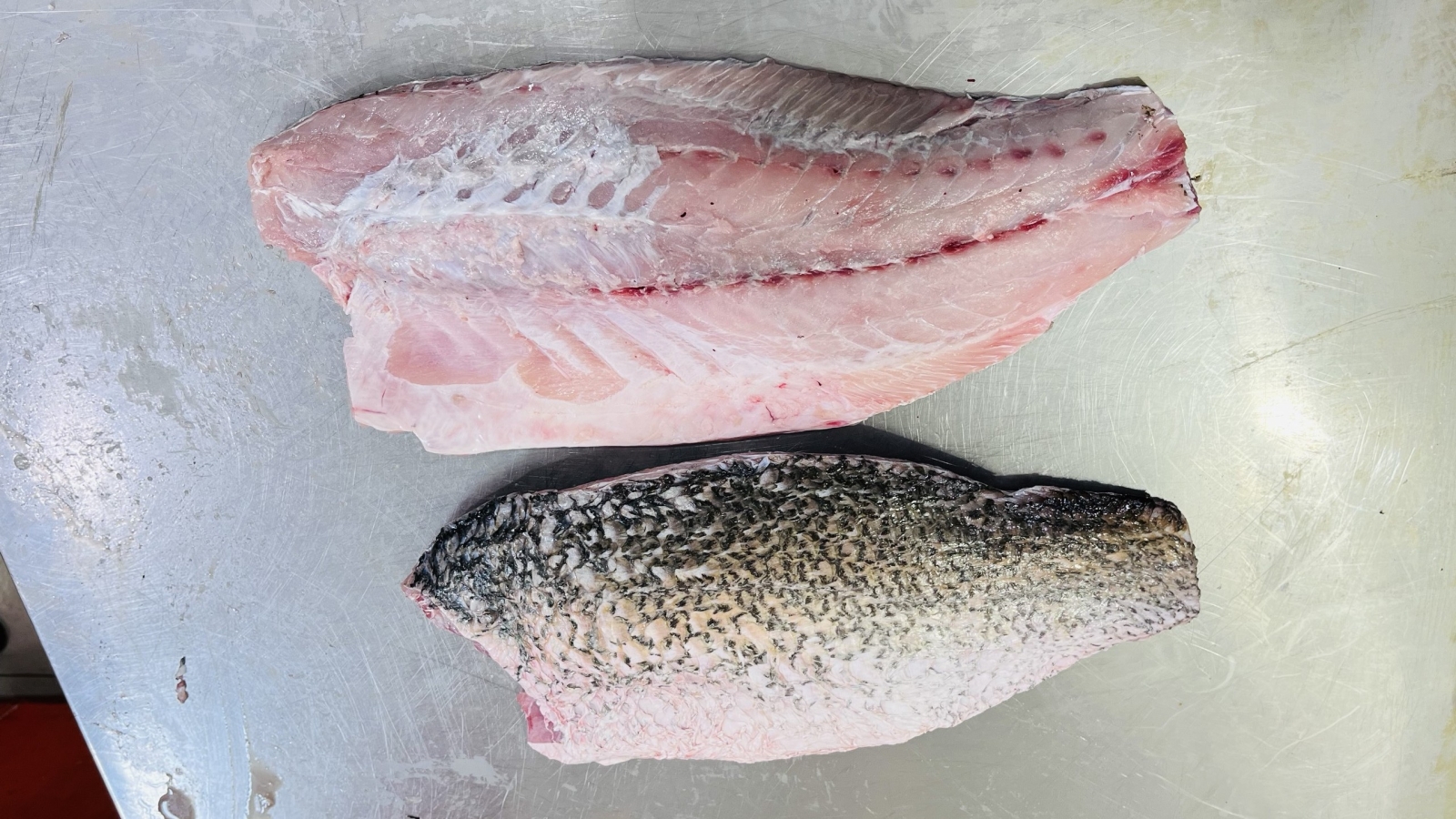
Astra Aqua is currently focused on developing export-standard Sea Bass Fillets that meet the stringent requirements of the South Korean market.
Contact us immediately: 0938 925 489
South Korea's Seafood Import Management System
Key Regulatory Bodies
Sea bass imports are managed by:
- The Ministry of Food and Drug Safety (MFDS)
- The Animal and Plant Quarantine Agency (APQA)
- South Korean Customs Service
All Sea Bass Fillet shipments must be declared and inspected according to regulations.
Inspection Methods
Depending on the risk level, goods may be subject to:
- Documentary inspection
- Sensory inspection
- Sampling for laboratory testing
- Full lot inspection
Astra Aqua always prepares complete documentation and conducts pre-export testing to minimize the risk of goods being held.
Contact us immediately: 0938 925 489
Food Safety Standards for Imported Sea Bass
Antibiotic Residue Control
South Korea sets maximum residue limits for:
- Chloramphenicol
- Nitrofuran
- Enrofloxacin
- Oxytetracycline
- Heavy metals
Businesses must ensure that Sea Bass Fillets do not exceed the permissible limits.
Astra Aqua strictly controls everything from the farming area, feed, water environment to the harvesting process to ensure compliance with standards.
Microbiological Standards
Mandatory parameters include:
- Total aerobic microbial count
- E. coli
- Salmonella
- Vibrio
Sea Bass Fillet processing plants must comply with HACCP and conduct regular testing.
Contact us immediately: 0938 925 489
Fishery Quarantine Standards
Quarantine Certificates
Each export shipment must have:
- Health Certificate
- Confirmation of disease-free product status
- Certificate of Origin
The absence of any of these documents can lead to the detention of the shipment.
List of Approved Export Companies
Production facilities must be on the list approved by South Korea. Astra Aqua partners with qualified and officially registered factories.
Traceability Requirements
Mandatory Information
South Korea requires detailed traceability information, including:
- Aquaculture area code
- Farming log
- Harvest lot
- Production date
- Expiration date
Transparency in origin enhances the credibility of Sea Bass Fillets in the market.
Contact us immediately: 0938 925 489
Application of Technology in Traceability
Astra Aqua has established a clear data management system to assist partners with quick checks when needed.
Product Labeling Regulations
Mandatory Information on Labels
Sea Bass Fillet labels must display:
- Commercial name
- Scientific name
- Origin: Vietnam
- Storage conditions
- Exporter information
- Information in Korean language
Labeling errors are a common reason for goods being held at the port.
Market-Appropriate Packaging Design
Packaging should be:
- Aesthetically pleasing
- Clearly informative
- Legally compliant
- Astra Aqua provides consultation and label adjustments according to partner requirements.
Packaging and Transportation Standards
Common Packaging Specifications
- IQF (Individually Quick Frozen)
- Block Frozen
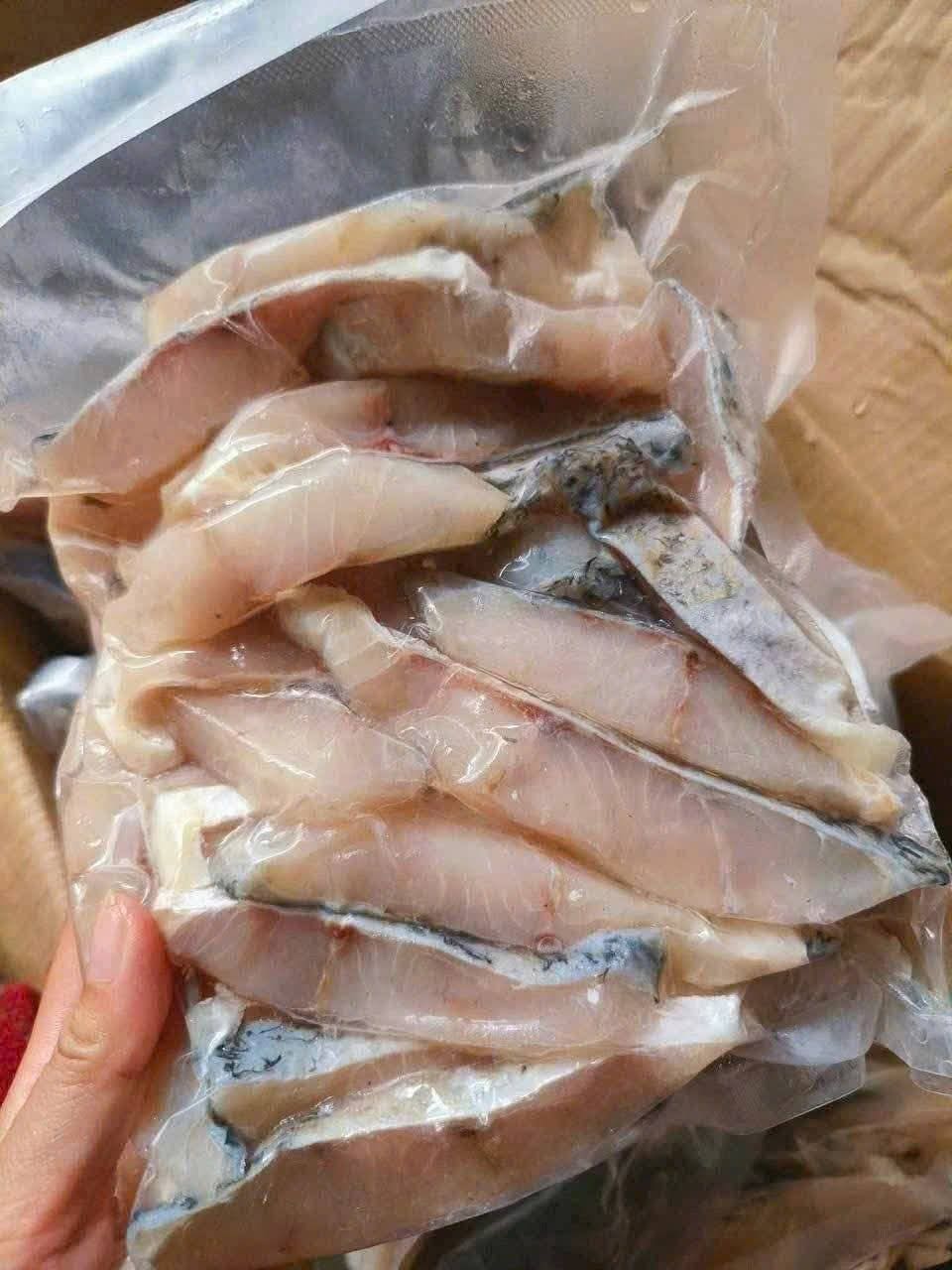
- Vacuum Pack
- Storage temperature requirements
- Maintain at -18°C or below
- Standard refrigerated containers
Astra Aqua monitors the cold chain throughout the transportation process.
Import Duties and Trade Preferences
Vietnam-South Korea Trade Agreement
Thanks to the VKFTA, sea bass may benefit from preferential tariffs if it:
- Meets Rules of Origin
- Has a valid Certificate of Origin (C/O)
- Optimizes tax costs
Astra Aqua assists in preparing complete origin documentation to help partners maximize profits.
Common Risks When Exporting Sea Bass to South Korea
Incorrect Labeling
Missing Korean language or incorrect information.
Failure to Meet Residue Standards
Due to insufficient control over farming areas.
Missing Documentation
Causes customs clearance delays.
Astra Aqua implements multi-layered control processes to minimize these risks.
Consumer Trends for Sea Bass Fillets in South Korea
Preference for Healthy Foods
Consumers are interested in:
- Protein content
- Omega-3
- Clean food
Growing Demand for Convenient Products
Sea Bass Fillets in small, quick-preparation packages are experiencing strong growth.
Sustainable Export Strategy for the South Korean Market
Enhancing Aquaculture Area Quality
- Feed control
- Water environment management
- Reduced antibiotic use
Standardizing Processing Procedures
- HACCP
- ISO
- Regular testing
Astra Aqua focuses on sustainable development, emphasizing quality over mere price competition.
Why Choose Astra Aqua as Your Export Partner?
Stable Supply Source
Proactive control over farming areas and inputs.
In-depth Understanding of South Korea's Sea Bass Import Standards
Continuously updated on policy changes.
Comprehensive Support
- Documentation consultation
- Testing services
- Labeling assistance
- Logistics support
Astra Aqua not only supplies Sea Bass Fillets but also partners strategically with businesses throughout the export process.
10 Frequently Asked Questions
1. What are the main requirements of South Korea's sea bass import standards?
Answer: They include fishery quarantine, food safety certification, antibiotic residue control, microbiological standards, traceability, Korean labeling, and compliant certificates of origin as per regulations.
2. Are antibiotic residue tests mandatory for sea bass fillets exported to South Korea?
Answer: Yes. South Korea strictly controls parameters like Chloramphenicol, Nitrofuran, Enrofloxacin, heavy metals, and other prohibited substances before customs clearance.
3. Do businesses need HACCP certification to export sea bass fillets?
Answer: Yes. Processing plants must achieve HACCP or equivalent standards and be recognized by the competent authorities as eligible for export to South Korea.
4. What temperature should frozen sea bass be stored at for export?
Answer: Products must be stored at -18°C or below throughout the storage and transportation process to ensure quality and food safety.
5. Does South Korea require traceability for imported sea bass?
Answer: Yes. Businesses must provide complete information about the farming area, harvest lot, processing plant, production date, and expiration date.
6. Are import duties on sea bass to South Korea preferential?
Answer: Preferential tariffs may apply if the products meet the Rules of Origin under the Vietnam-South Korea Free Trade Agreement (VKFTA) and possess a valid Certificate of Origin.
7. What information must be included on the labels of sea bass fillets exported to South Korea?
Answer: Labels must clearly state the product name, scientific name, origin (Vietnam), production date, expiration date, storage conditions, and exporter information in Korean.
8. For what reasons can a sea bass shipment be refused import?
Answer: Common reasons include incorrect labeling, missing documents, exceeding antibiotic residue limits, failure to meet microbiological standards, or violations of quarantine regulations.
9. How does Astra Aqua support businesses exporting sea bass to South Korea?
Answer: Astra Aqua advises on import standards, supplies export-ready Sea Bass Fillets, assists with documentation, optimizes packaging, and ensures full compliance with South Korean market regulations.
10. Why choose Astra Aqua as a partner for exporting Sea Bass Fillets?
Answer: Astra Aqua offers a stable supply, strict quality control processes, a deep understanding of South Korea's sea bass import standards, and a commitment to partnering with businesses throughout the entire export process.
Contact Information for Astra Aqua
- Astra Aqua
- Hotline: 0938 925 489
- Address: 318 Phan Dinh Phung, Cau Kieu Ward, Ho Chi Minh City, Vietnam
- Email: sam.le@astraaquaco.com
- Tax Code: 0319091146
- Website: https://astraaquaco.com
If your business is seeking a supplier of export-ready Sea Bass Fillets meeting South Korean standards, Astra Aqua is ready to provide in-depth consultation and comprehensive solutions to help you meet South Korea's sea bass import standards professionally, effectively, and sustainably.