

Seafood Preservation Process at ASTRA AQUA

In the seafood industry, preserving the freshness of products is a decisive factor in product quality and customer satisfaction. Especially for seafood, proper preservation from harvest to when the product reaches consumers is very important. ASTRA AQUA INTERNATIONAL CO., LTD has built a complete and modern seafood preservation process, helping to preserve the freshness, natural flavor, and ensure food safety for consumers.
This article will delve into the seafood preservation process at ASTRA AQUA, from selecting supply sources, preservation, transportation to the commitments to quality and food safety that the company brings to customers.
Why is Seafood Preservation Important?

Seafood Quality and Consumer Health
Seafood is a rich source of nutrients, but it is also easily spoiled if not properly preserved. With a high water content, seafood is very susceptible to rapid aging and loss of nutrients if not properly preserved. In particular, if seafood is not preserved in cold conditions or a hygienic environment, it can become infected with bacteria, which is harmful to consumer health.
Therefore, having a strict and modern preservation process is a key factor that helps ASTRA AQUA ensure that seafood products are always fresh, safe and retain their full nutritional value when they reach customers.
Seafood Preservation Process at ASTRA AQUA

Step 1: Selecting Reputable Suppliers
The seafood preservation process at ASTRA AQUA begins with selecting reputable suppliers. The company only works with partners who have quality certificates and meet international standards for food safety and environmental protection. Seafood products are supplied from standard farming areas, ensuring that seafood is not contaminated with microorganisms, chemicals or pesticides.
ASTRA AQUA selects responsible suppliers, ensuring that seafood farming areas comply with environmental health regulations and sustainable production processes.
Step 2: Seafood Harvesting Process
When seafood has met quality standards, the company harvests and begins the preservation process. Harvesting steps are carried out according to strict standards, helping to minimize the risk of damage to seafood, while ensuring that quality is maintained throughout the transportation process.
Step 3: Cold Chain Logistics Technology
One of the important factors that helps ASTRA AQUA Build a Modern Seafood Preservation Process is the application of cold chain logistics – a cold transportation system that helps preserve seafood at a stable low temperature. This system helps keep seafood fresh, prevents the growth of bacteria and preserves the nutritional content of the product.
- Cold chain logistics ensures that the temperature of seafood is always maintained stably throughout the transportation process, from the cold storage to the transport vehicle.
- Seafood is packaged in specialized protective packaging, which helps prevent contact with air and maintain a stable cold temperature.
Step 4: Monitoring Temperature and Humidity
Throughout the preservation and transportation process, ASTRA AQUA always uses smart temperature and humidity sensors to monitor and adjust preservation conditions. These sensors help monitor temperature and humidity throughout the product transportation and storage process, thereby ensuring that seafood is always in the freshest state when it reaches consumers.
- Parameters such as temperature and humidity are continuously monitored through automated testing systems, helping to minimize the risk of damage due to unstable temperatures.
- Seafood Quality Control at ASTRA AQUA
Step 5: Microbiological and Chemical Quality Inspection
Before seafood products are delivered to customers, ASTRA AQUA carries out a rigorous quality inspection process. The products are all checked for:
- Microbiology: Harmful microorganisms such as E. coli, Salmonella are tested to ensure seafood is not contaminated.
- Chemicals: Seafood must meet requirements for pesticide and antibiotic residues, ensuring that there are no toxic chemicals.
Step 6: Checking Smell, Color and Firmness
After passing the microbiological and chemical testing step, ASTRA AQUA continues to check for:
- Smell: Ensure that the seafood does not have strange odors or signs of spoilage.
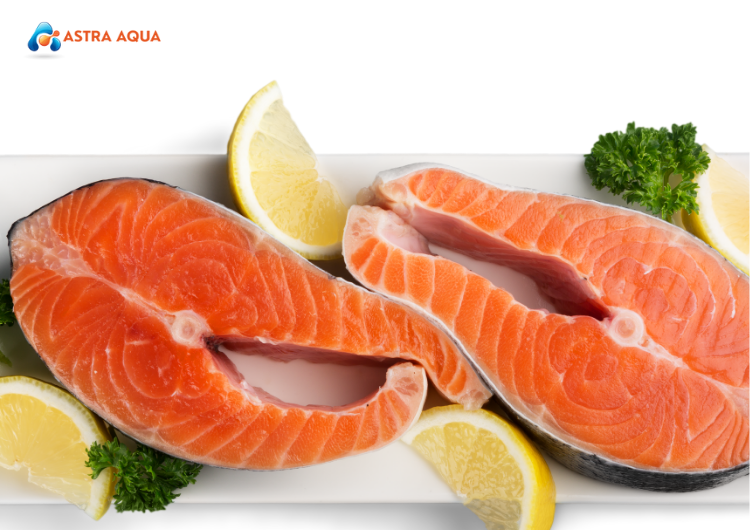
- Color: The color of the fish meat must be bright, not dull or deformed.
- Firmness: Fish must have natural firmness, not be soft or mushy.
Why Choose ASTRA AQUA For Seafood?
Guaranteed Quality
With a modern preservation process and advanced monitoring technology, ASTRA AQUA is committed to providing fresh, safe and quality-assured seafood. From selecting supply sources, harvesting, preservation to delivery, everything is done strictly and transparently.
Advanced Preservation Technology
Seafood Preservation Technology At ASTRA AQUA helps maintain seafood quality from harvest to when the product reaches customers. The cold chain logistics system and temperature and humidity monitoring technology help maintain freshness and food safety throughout the transportation process.
Dedicated Customer Service

Not only providing quality products, ASTRA AQUA also provides professional and dedicated customer service. The staff is always ready to support customers from the consulting stage to after-sales support, ensuring that all customer needs are met quickly and effectively.
Seafood Preservation Process At ASTRA AQUA not only helps maintain fresh quality but also ensures food safety and protects consumer health. With modern cold preservation technology, rigorous quality inspection procedures, and excellent customer service, ASTRA AQUA has been asserting its position in the seafood import industry.
Choose ASTRA AQUA INTERNATIONAL CO., LTD to experience fresh, safe, and high-quality seafood!
ASTRA AQUA Contact Information
Hotline: (+84) 0938.92.54.89
Address: 318 Phan Dinh Phung, Cau Kieu Ward, Ho Chi Minh City, Vietnam
Email: sales01@astraaquaco.com
Tax code: 0319091146
Website: https://astraaquaco.com