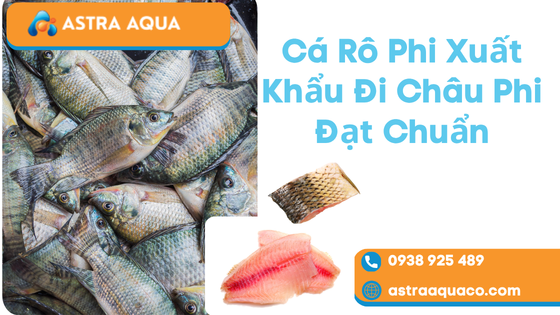


Tilapia Exports to Japan – Potential, Standards, and Solutions from Astra Aqua
Overview of the Tilapia Export Market to Japan
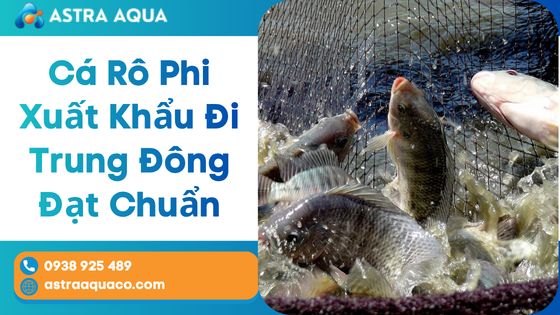
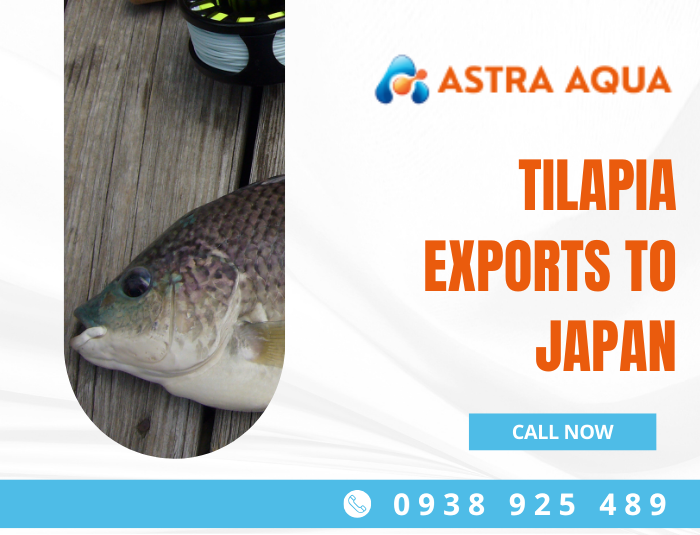
Japan is one of the most demanding and highest-value seafood import markets in the world. With per capita seafood consumption consistently among the highest, Japanese consumers place particular importance on product quality, freshness, food safety, and sustainability. In this context, Tilapia is gradually asserting its position due to its reasonable price, white flesh, few fine bones, ease of preparation, and suitability for various consumer segments.
Contact us now: 0938 925 489
The trend of shifting supply sources from traditional markets to Vietnam opens up significant opportunities for domestic businesses. To leverage this advantage, businesses must ensure a closed value chain from farming areas, processing plants, to cold logistics and strict quality control.
Astra Aqua is a unit focused on sustainable development, concentrating on exporting high-quality Tilapia to Japan, fully meeting stringent technical and traceability standards.
Development Potential of Tilapia in the Japanese Market
Stable Consumption Demand and Supply Diversification Trends
The Japanese market is characterized by stable consumption with minimal sharp fluctuations. Supermarket chains, restaurant groups, industrial canteens, and the frozen food processing industry all have high demand for white fish.
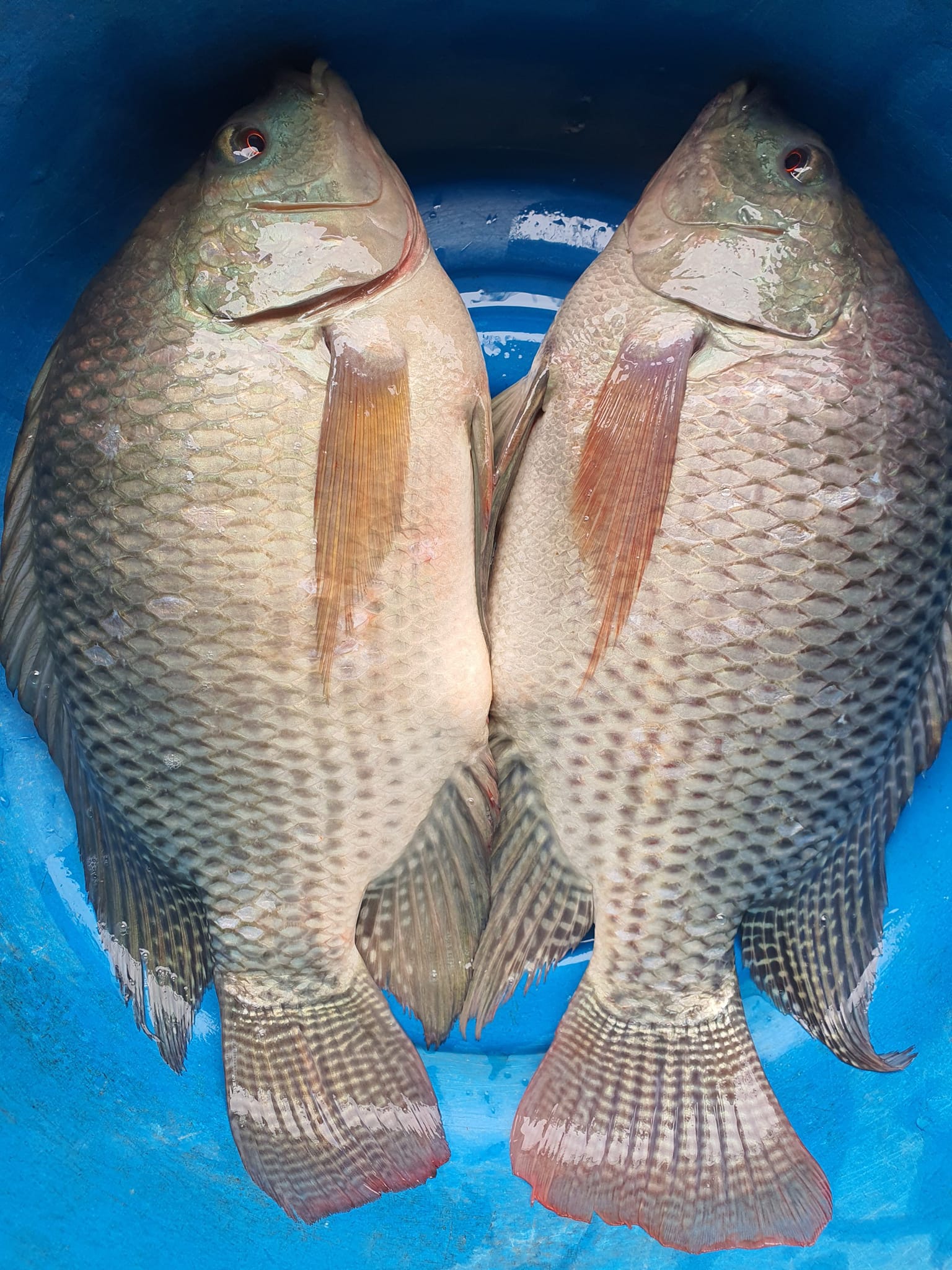
Tilapia is favored for its:
- White, less fishy flesh
- High protein content, low fat
- Suitable for sashimi, tempura, frying, grilling, and steaming
- Competitive pricing compared to imported marine fish
In the context of climate change affecting natural fish supplies, farmed fish like Tilapia are becoming a sustainable and controllable quality alternative.
Contact us now: 0938 925 489
Opportunities from Trade Agreements
Vietnam and Japan have a long-standing trade relationship and participate in numerous free trade agreements. This creates advantages in tariffs and market access for Vietnamese seafood products, including Tilapia.
Astra Aqua leverages these advantages to optimize costs, enhance competitiveness, and supply products that meet international standards.
Technical Standards for Tilapia Export to Japan
Food Safety Requirements
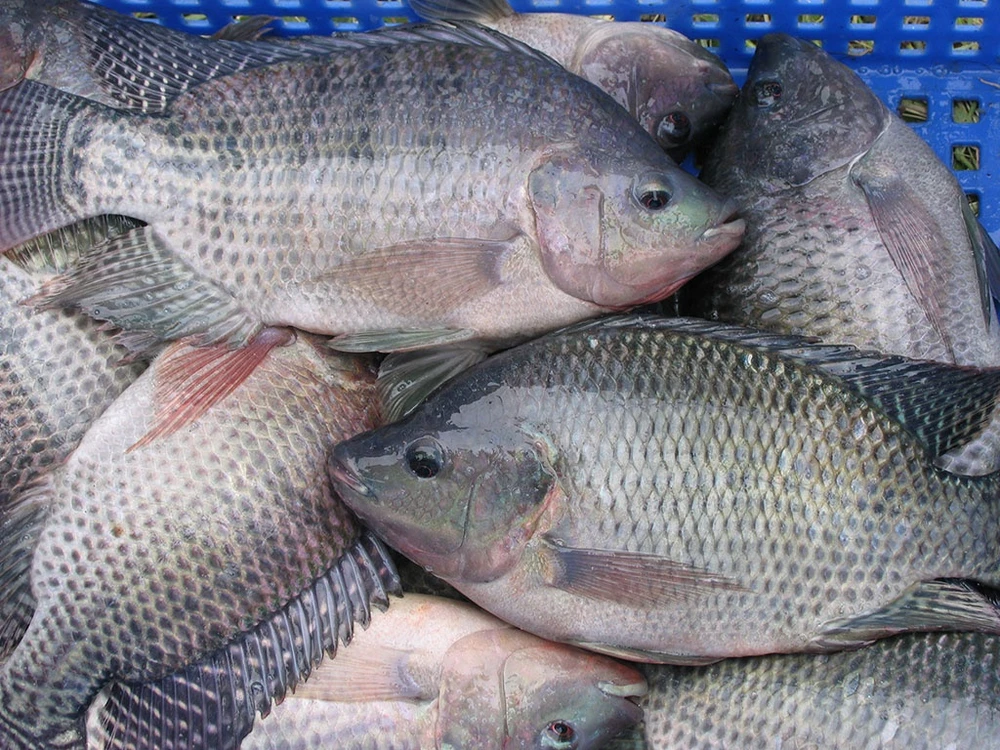
Japan applies a very strict food safety control system. Exported Tilapia products must ensure:
- No antibiotic residues exceeding permitted levels
- No heavy metal contamination
- No harmful microorganism contamination
- Adherence to cold storage conditions throughout the cold chain
Each batch must have inspection records, export certificates, and clear traceability.
Contact us now: 0938 925 489
Traceability Standards
Traceability is a key factor in the Japanese market. From fry, feed, farming practices, harvesting, processing, to transportation, everything must be recorded transparently.
Astra Aqua has built a synchronized data management system, enabling Japanese customers to easily check information about farming areas and production processes.
Sensory and Product Specification Standards
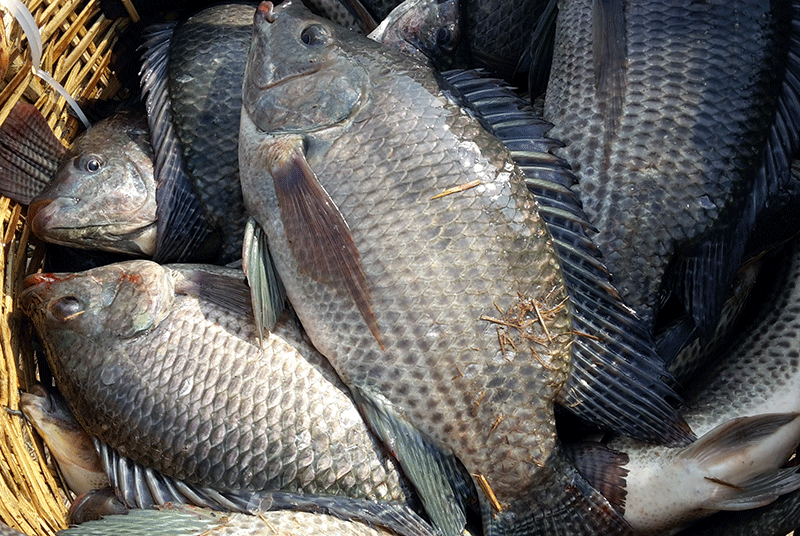
Japanese consumers prioritize aesthetics. Tilapia must meet:
- Bright white flesh color
- Firm flesh texture
- No bruising
- Uniform fillet specifications
- Clean, neat packaging with clear labeling
Processing plants must comply with HACCP, ISO, and other food safety certifications.
Contact us now: 0938 925 489
Tilapia Export Production Process at Astra Aqua
Certified Farming Areas
Astra Aqua focuses on developing farming areas with strict control over water quality, feed, and stocking density. This helps to:
- Reduce disease risk
- Minimize antibiotic use
- Optimize fish flesh quality
- Ensure uniform size
Sustainable environmental management in farming leads to Tilapia meeting high-grade export standards.
Harvesting and Transportation Process
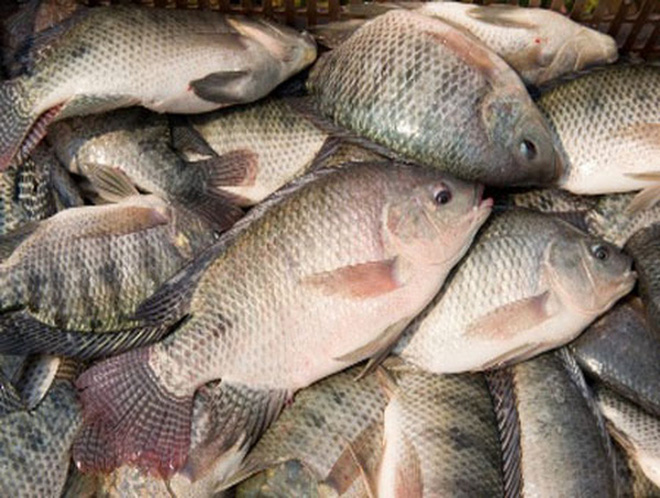
Harvesting is conducted on a scientific schedule to ensure freshness. Fish are promptly processed after harvesting and placed into a standard cooling system to maintain quality.
The cold chain is strictly controlled from the factory to the export port, ensuring the product reaches Japan with its quality intact.
Processing and Quality Control
The processing plant employs a multi-layered control process:
- Incoming raw material inspection
- Size grading
- Filleting according to export standards
- Microbiological and chemical testing
- Vacuum packaging
Each batch of exported Tilapia undergoes rigorous inspection before delivery to Japanese partners.
Contact us now: 0938 925 489
Tilapia Products for Export to Japan
Frozen Fillets
This is the most popular product line. Fillets are meticulously trimmed and fast-frozen to preserve meat structure and natural flavor.
Cleaned Whole Tilapia
Suitable for restaurant chains and retail supermarkets. Products are gutted and frozen or chilled according to requirements.
Value-Added Products
Astra Aqua develops further processed products such as:
- Breaded Tilapia
- Portioned Tilapia
- Retail-packaged Tilapia
These products enhance value and expand market share in Japan.
Astra Aqua's Competitive Advantages in Tilapia Exports
End-to-End Quality Control Capability
Astra Aqua has established an integrated ecosystem from farming to export, ensuring uniformity in standards and quality.
Highly Professional Team
The technical and quality control team possesses in-depth knowledge of Japanese market requirements, regularly updates new regulations, and adjusts production processes accordingly.
Commitment to Sustainability
Sustainable development is not just a trend but a mandatory requirement when working with the Japanese market. Astra Aqua prioritizes environmental protection, emission reduction, and efficient resource utilization.
Challenges in Exporting Tilapia to Japan
Despite significant potential, businesses also face numerous challenges:
- Frequently changing technical regulations
- Competition from other exporting countries
- High logistics costs
- Strict requirements for traceability and certification
To overcome these, a long-term strategy, investment in technology, and continuous improvement of production standards are necessary.
Astra Aqua's Long-Term Development Strategy
Astra Aqua's strategic directions include:
- Expanding internationally certified farming areas
- Investing in advanced processing technology
- Strengthening cooperation with Japanese partners
- Developing the Vietnamese Tilapia brand in the premium market segment
This strategy aims to increase product value, ensure stable output, and build a professional image in the international market.
10 Frequently Asked Questions
1. What standards must Tilapia exported to Japan meet?
Answer: Products must ensure food safety, no antibiotic residues exceeding permitted levels, meet microbial and heavy metal standards, have clear traceability, and comply with Japan's import regulations.
2. Why is Tilapia popular in the Japanese market?
Answer: Tilapia has white flesh, few fine bones, is easy to prepare, suitable for various dishes, and is competitively priced compared to other marine fish.
3. What Tilapia products does Astra Aqua supply to Japan?
Answer: Astra Aqua supplies frozen fillets, cleaned whole fish, and value-added products such as breaded and portioned fish according to customer requirements.
4. What is the quality control process for exported Tilapia?
Answer: The process includes farm inspection, raw material quality control, processing oversight, microbiological testing, and packaging according to international standards.
5. Does exported Tilapia require international certifications?
Answer: Yes. Products typically require certifications such as HACCP, ISO, and phytosanitary certificates and export permits as required by Japan.
6. How long does it take to transport Tilapia to Japan?
Answer: Transportation time depends on the logistics method, typically ranging from a few days to over a week, under strict cold chain maintenance.
7. How is the freshness of Tilapia ensured upon arrival in Japan?
Answer: Products are rapidly frozen or deeply chilled immediately after harvest and maintained at a stable temperature throughout the transportation process.
8. What difficulties do Vietnamese businesses face when exporting to Japan?
Answer: Key challenges include high technical standards, detailed traceability requirements, logistics costs, and competition from other countries.
9. Does Astra Aqua offer consultation for export cooperation?
Answer: Yes. Astra Aqua provides consulting on product specifications, technical standards, and building long-term cooperation solutions with Japanese partners.
10. How to contact Astra Aqua for Tilapia export cooperation?
Answer: Businesses can contact Astra Aqua via hotline 0938 925 489, email sam.le@astraaquaco.com, or visit the website https://astraaquaco.com for detailed consultation.
Astra Aqua Contact Information
- Astra Aqua
- Address: 318 Phan Dinh Phung, Cau Kieu Ward, Ho Chi Minh City, Vietnam
- Hotline: 0938 925 489
- Email: sam.le@astraaquaco.com
- Tax Code: 0319091146
- Website: https://astraaquaco.com
Exporting Tilapia to Japan is a strategic direction that brings high economic value and contributes to elevating Vietnamese seafood. However, to succeed in this market, businesses must meet stringent standards for quality, food safety, and traceability.
With a commitment to sustainable development, strict production process control, and quality assurance, Astra Aqua is gradually asserting its position in the field of Tilapia exports to Japan, opening up opportunities for long-term and stable cooperation with international partners.