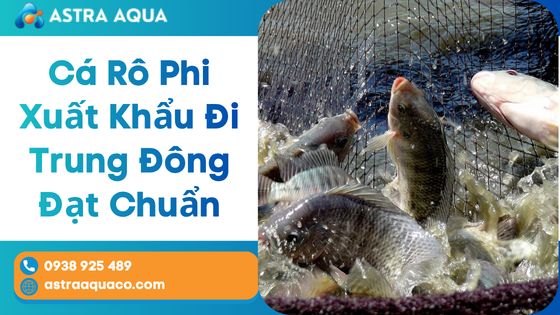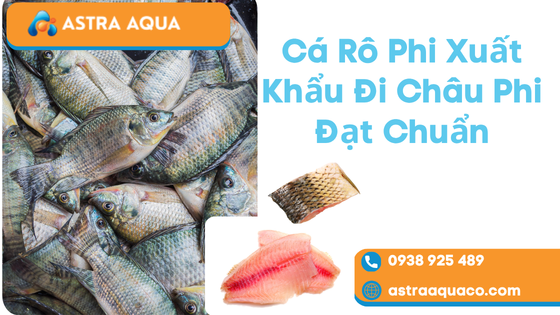


Tilapia Import Regulations in South Korea – What Exporting Businesses Need to Know
The South Korean market is recognized as one of Asia's most demanding, with a stringent food safety management system. For Tilapia, especially frozen and filleted products, full compliance with import regulations is a prerequisite for businesses to access and maintain a sustainable market share.
Contact us now: 0938 925 489
In this context, Astra Aqua acts not only as a supplier but also as a strategic consulting partner, assisting businesses in understanding and complying with the legal requirements for exporting Tilapia to South Korea.
Overview of the South Korean Market for Imported Tilapia
Demand for White Fish Consumption in South Korea
South Korean consumers tend to prefer white fish that is boneless, easy to prepare, and suitable for various cooking methods such as steaming, grilling, frying, or hot pot. Tilapia meets these criteria well due to its:
- White flesh with a mild flavor
- Few small bones
- Ease of filleting
Suitability for Restaurants and Retail Chains
The growth of supermarkets and online food commerce in South Korea further drives the demand for frozen tilapia, particularly for pre-processed products.
Vietnam's Position in Tilapia Exports
Vietnam is increasingly establishing its position in the tilapia farming and processing industry. Leveraging advantages in climate, farming areas, and competitive costs, many domestic enterprises, including Astra Aqua, have focused on investing in international-standard production processes for export.
Legal Framework for Seafood Import Management in South Korea
Key Regulatory Authorities
The import of Tilapia into South Korea is overseen by regulatory bodies such as:
- The Ministry of Food and Drug Safety (MFDS) of South Korea
- The Animal and Plant Quarantine Agency (APQA)
- The Korea Customs Service
These agencies collaborate to inspect documentation and the actual goods at the port.
Contact us now: 0938 925 489
Applicable Legal Framework for Imported Tilapia
Relevant regulations include:
- The Food Safety Act
- The Fisheries Quarantine Act
- Regulations on Food Standards and Specifications
- Product Labeling Regulations
For Astra Aqua, strict adherence to these legal frameworks is fundamental to ensuring smooth customs clearance.
Food Safety Regulations for Tilapia
Maximum Residue Limits for Antibiotics and Chemicals
South Korea enforces strict maximum residue limits for antibiotics in Tilapia. Controlled substances include:
- Chloramphenicol
- Nitrofurans
- Enrofloxacin
- Malachite Green
Non-compliant products will be rejected for import and may be subject to enhanced inspection measures for subsequent shipments.
Astra Aqua focuses on control from the farming area, feed, water source, to harvesting to ensure no prohibited substances remain.
Contact us now: 0938 925 489
Microbiological Control
Frozen Tilapia must meet standards for:
- Salmonella
- E.coli
- Total viable aerobic count
South Korea may conduct random sampling at the port for testing. If non-compliant, the shipment will be destroyed or re-exported.
Traceability Regulations
Supply Chain Transparency Requirements
South Korea requires clear traceability from:
- Farms
- Processing plants
- Packaging units
- Exporting companies
Records must include:
- Farming period
- Farming area
- Harvesting process
- Processing process
Astra Aqua establishes an internal control system to ensure all processes are documented and readily available when requested by partners or authorities.
Certification and Import Documentation Requirements
Fisheries Health Certificate
Tilapia exported to South Korea must be accompanied by a health certificate issued by the competent authority of Vietnam. This certificate confirms:
- Product safety
- Freedom from diseases
- Produced under hygienic conditions
Certificate of Origin
If businesses wish to benefit from preferential tariffs under the Free Trade Agreement between Vietnam and South Korea, a valid Certificate of Origin must be provided.
Astra Aqua assists clients in preparing a complete set of documents including:
- Commercial Contract
- Commercial Invoice
- Packing List
- Bill of Lading
- Health Certificate
- Certificate of Origin
Regulations on Tilapia Product Labeling in South Korea
Contact us now: 0938 925 489
Mandatory Information on Packaging
Tilapia product labels must clearly display:
- Product Name
- Scientific Name
- Country of Origin
- Manufacturer's Name and Address
- Production Date
- Expiration Date
- Storage Conditions
Incorrect labeling may result in the product being relabeled or re-exported.
Astra Aqua strictly controls the packaging design process to ensure compliance with South Korean standards.
Storage and Transportation Regulations
Mandatory Cold Chain
Frozen Tilapia must be stored at a minimum temperature of -18°C throughout the transportation process. South Korea may inspect:
- Container temperature
- Seal integrity
- Temperature log records
Any disruption to the cold chain can lead to customs rejection.
Astra Aqua works with reputable logistics providers to ensure a stable cold chain is maintained.
Common Risks in Exporting Tilapia to South Korea
Inconsistent Documentation
Minor errors in paperwork can cause delays or requests for additional documents, directly impacting container storage costs and business reputation.
Microbiological Standard Violations
One non-compliant shipment can lead to 100% inspection of subsequent shipments, increasing time and costs.
Failure to Update New Regulations
South Korea frequently adjusts food safety standards. Businesses that do not stay updated may inadvertently violate regulations.
Astra Aqua proactively updates itself on new regulations to ensure full compliance.
Contact us now: 0938 925 489
Effective Strategies for Meeting Import Regulations
Control from the Farming Stage
Meeting standards begins not at the factory but at the farm. Controlling feed, water, and stocking density are core factors.
Standardizing Production Processes
Factories should adopt quality management systems such as:
- HACCP
- ISO 22000
Astra Aqua implements a comprehensive quality control process from raw materials to finished products.
Close Collaboration with Korean Partners
Regular communication about policy changes helps minimize legal risks.
Astra Aqua's Role in Tilapia Exports to South Korea
Astra Aqua positions itself not just as a supplier of Tilapia but as a long-term strategic partner. The company focuses on:
- Consistent quality
- Traceability and transparency
- Legal and documentation support
- Optimized export processes
Professionalism in every step enhances competitiveness in the South Korean market.
A thorough understanding and adherence to South Korea's tilapia import regulations are mandatory for successful and sustainable export businesses. From food safety, traceability, certifications, labeling, to transportation, each element plays a crucial role.
With its expertise and long-term development vision, Astra Aqua is committed to accompanying its partners in conquering the South Korean market with high-quality Tilapia products and international standard processes.
10 Frequently Asked Questions
1. Which authorities regulate the import of tilapia into South Korea?
Answer: The import of tilapia into South Korea is regulated by the Ministry of Food and Drug Safety (MFDS), the Animal and Plant Quarantine Agency (APQA), and the Korea Customs Service. These agencies are responsible for inspecting documentation, food safety, and customs clearance procedures.
2. Is a health inspection mandatory for tilapia exported to South Korea?
Answer: Yes. Each shipment of tilapia must have a fisheries health certificate issued by the competent authority in the exporting country, confirming the product's safety and freedom from disease.
3. What are South Korea's regulations on antibiotic residues in tilapia?
Answer: South Korea enforces very strict maximum residue limits for substances like Chloramphenicol, Nitrofurans, and several other antibiotics. Any violation will result in import rejection.
4. Is there a traceability requirement for tilapia?
Answer: Yes. Businesses must provide clear information about the farming area, processing plant, and production processes to ensure traceability when required.
5. What are the storage requirements for frozen tilapia upon import?
Answer: The product must be maintained at a minimum temperature of -18°C throughout transportation and storage to ensure quality and food safety.
6. What information must be included on the labels of tilapia imported into South Korea?
Answer: Product labels must clearly state the product name, country of origin, production date, expiration date, storage conditions, and manufacturer's information in accordance with South Korean regulations.
7. Is physical inspection conducted at the port for imported tilapia?
Answer: Yes, it is possible. South Korean authorities have the right to take samples for microbiological and chemical testing, as well as inspect documents before granting clearance.
8. Can businesses receive tariff preferences when exporting tilapia to South Korea?
Answer: Yes. If the conditions under the Free Trade Agreement are met and a valid Certificate of Origin is provided, businesses can benefit from preferential tariff rates.
9. What happens if a tilapia shipment does not meet the standards?
Answer: The shipment may be re-exported, destroyed, or subjected to intensified inspection for subsequent shipments, significantly impacting costs and business reputation.
10. How can risks be minimized when exporting tilapia to South Korea?
Answer: Businesses must rigorously control quality from the farming stage, adhere to food safety standards, prepare complete documentation, and regularly update themselves on new regulations from South Korea.
Contact Information for Astra Aqua
- Astra Aqua
- Address: 318 Phan Dinh Phung, Cau Kieu Ward, Ho Chi Minh City, Vietnam
- Hotline: 0938 925 489
- Email: sam.le@astraaquaco.com
- Tax Code: 0319091146
- Website: https://astraaquaco.com