

Tuna for Korean Restaurants – The Perfect Choice for Korean Restaurant Systems
Korean culinary art always emphasizes sophistication and freshness of ingredients, especially raw seafood. In a luxurious dining space, Tuna is the "soul" that makes sashimi and sushi menus prestigious in the land of kimchi.
To satisfy the most discerning diners, Korean restaurant chefs constantly seek the highest standard raw materials. A perfect piece of Tuna not only needs an eye-catching color but also a firm, smooth texture that melts in the mouth.
Contact us now: 0938 925 489
Understanding these strict standards, Astra Aqua is proud to be a professional supplier, providing excellent ingredient solutions for the F&B industry. We offer sashimi-grade Tuna, fully meeting aesthetic, flavor, and food safety requirements for industrial kitchens and high-end restaurants.
The following article will delve into the criteria for selecting Tuna for Korean restaurants, its application in menus, and stable supply solutions to elevate your culinary brand.
Criteria for Selecting Tuna for Restaurant Kitchens
Freshness and Sensory Color
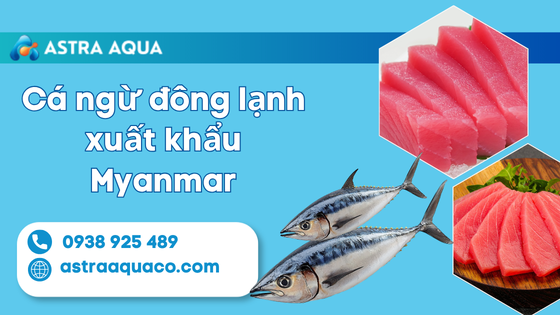
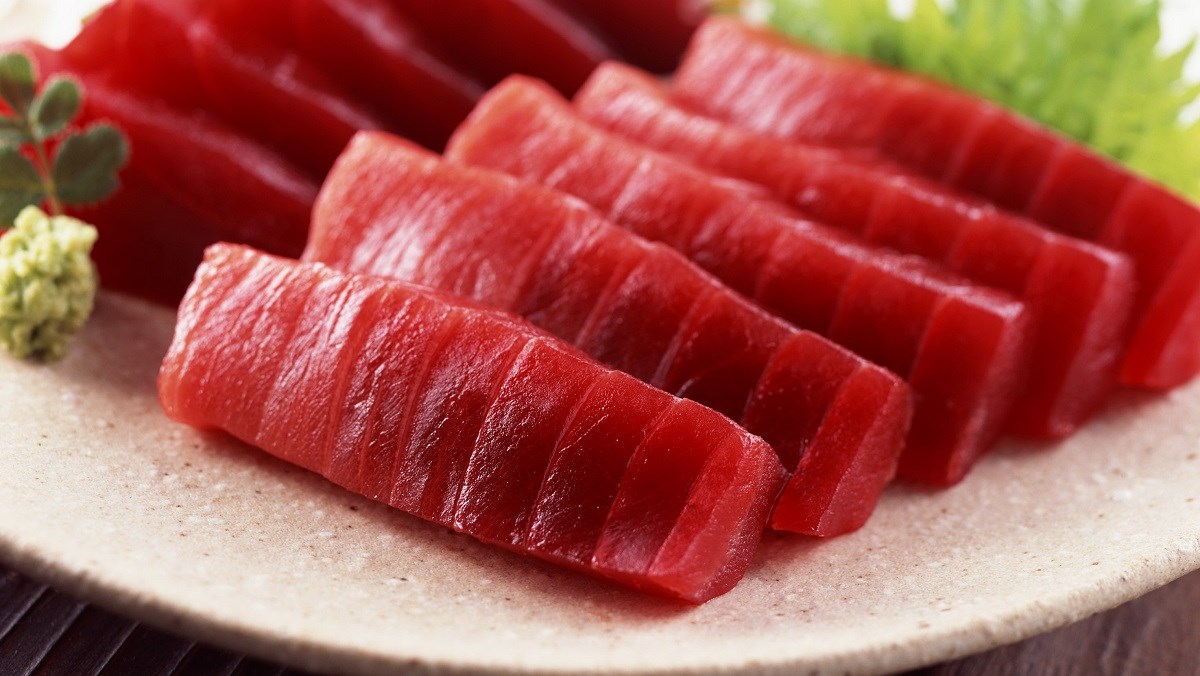
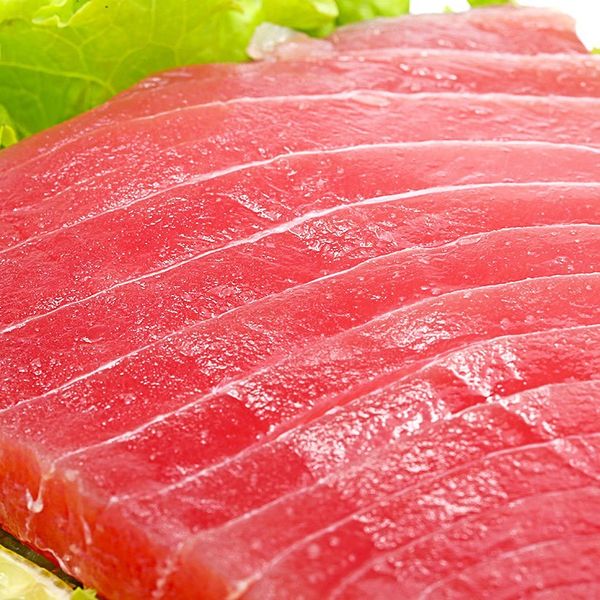
For the art of sashimi slicing, Tuna must possess a natural, vibrant, and glossy ruby-red color. This color directly reflects the freshness of the fish after being caught and frozen according to the correct technical process.
Furthermore, the surface of the fish meat when cut must be dry, free from dripping juices, and maintain excellent elasticity when lightly pressed with a finger. This is a vital factor for chefs to confidently serve customers.
Meat Structure and Fat Marbling
Korean diners highly favor cuts with a balanced lean-to-fat ratio. Depending on the cut, such as Akami (lean red meat), Chutoro (medium fatty belly), or Otoro (fatty belly), Tuna offers distinctly different taste experiences.
The delicate interplay of ivory-white fat streaks on a vibrant red background not only creates a beautiful culinary picture but also delivers a characteristic richness that captivates all seafood lovers.
Distinct Pure Flavor
A slice of Tuna served in a premium Korean restaurant must carry the fresh aroma of the sea, completely free from any unpleasant fishy odor. The simple sweetness of fresh fish is the most accurate measure of ingredient quality.
When chewed, the fish meat should be tender yet not mushy, combined with a subtle, natural richness. This sensory experience is why Tuna is a "must-try" in upscale dining occasions.
To preserve this original flavor, the thawing technique in the kitchen and the chef's knife skills play a crucial role in the success or failure of the dish.
Contact us now: 0938 925 489
Applying Tuna in Korean Restaurant Menus
The Quintessence of Sashimi and Sushi
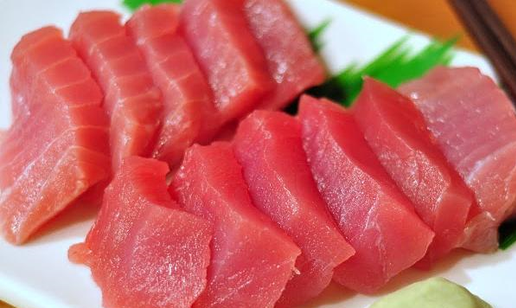
Sashimi is the most perfect "stage" to showcase the full beauty and deliciousness of the ingredients. In Korean-style restaurants, high-end sashimi platters rarely miss the presence of crimson tuna slices.
Here, Tuna is skillfully sliced into moderately thick pieces by culinary artisans, meticulously arranged on chilled stone with perilla leaves and shredded radish, creating an artwork that awakens all senses.
The perfect combination of sweet and fatty fish, a touch of pungent wasabi, and rich soy sauce is always an excellent appetizer to conquer the most discerning diners.
Creative Tataki and Steak Dishes
In addition to traditional raw consumption, many modern Korean restaurants innovate their menus with seared (Tataki) or premium tuna steak dishes. A lightly seared aromatic crust encases a perfectly rare and tender interior.
With high-quality saku or loin tuna from Astra Aqua, chefs can unleash their creativity to craft unique dishes, enriching the restaurant's culinary collection.
Trends in Premium Menu Design
Incorporating Tuna into Omakase set menus or VIP menus is a trending practice in South Korea. This not only increases the average value per bill but also affirms the restaurant's premium brand positioning.
Modern consumers are willing to pay higher prices for dining experiences that are transparent about their origin, meet international standards, and are healthy, like deep-sea tuna products.
Tuna Processing Techniques in Professional Kitchens
Precise Biological Thawing Process
In the cold kitchen area, thawing determines 80% of the final product quality. Restaurants often apply slow thawing methods in the refrigerator or by soaking in standard saline solutions.
Strict adherence to this technique helps tuna meat regain its tenderness as if freshly caught, without muscle breakdown or loss of natural juices.
Contact us now: 0938 925 489
Slicing Techniques
To slice Tuna, chefs need to use extremely sharp, specialized Yanagiba knives. The cutting motion must be decisive, a single stroke to ensure a smooth, unfrayed surface of the fish slice.
Cutting with the grain not only makes the fish slices visually appealing but also allows diners to experience the perfect interplay of crispness and tenderness when consumed directly.
Post-Processing Storage and Preservation
Saku-cut tuna meat that is not used immediately should be tightly wrapped in specialized absorbent paper and plastic wrap, vacuum-sealed carefully to prevent oxidation that can darken the fish.
The restaurant's seafood refrigerator must always maintain a temperature between 0-4 degrees Celsius, ensuring an absolutely sterile environment for premium ingredients.
Astra Aqua – Strategic Partner for Korean Restaurants
Diverse and Stable Ingredient Supply
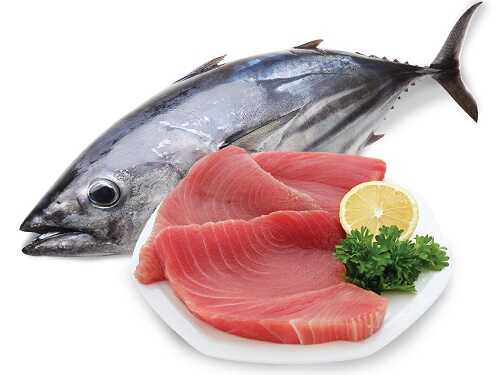
Astra Aqua understands restaurant owners' concerns about supply chain disruptions. Therefore, we always maintain ample inventory, ready to provide specifications ranging from whole fish, loin, saku, to diced for poke.
The diversity in processing specifications helps chefs maximize preparation time (prep time) and minimize ingredient waste costs during kitchen operations.
Consistent Sashimi Quality Across Batches
Consistency is key to retaining customers. Astra Aqua applies extremely strict grading standards to ensure the highest level of consistent quality for all tuna products shipped.
You can be completely confident using our Tuna for large banquet events that require a significant volume of ingredients while maintaining a 5-star standard.
Contact us now: 0938 925 489
Professional Cold Chain Logistics System
Delivery is handled by Astra Aqua through a specialized refrigerated truck fleet, ensuring temperatures are maintained between -60 degrees C to -18 degrees C, perfectly preserving the ingredient's structure until it reaches the restaurant's doorstep.
Elevate Your Restaurant's Status with Premium Ingredients
Gain a Competitive Edge
In the fiercely competitive Korean F&B industry, owning exclusive and premium ingredients is a sharp weapon that helps your restaurant make a lasting impression on customers.
Proudly showcasing set meals made with 100% high-quality ingredients will convey an inspiring culinary story to every dining guest.
Contact us now: 0938 925 489
Collaborate for Brand Development
Using Tuna with clear traceability also demonstrates the restaurant's social responsibility and commitment to sustainable marine environments.
Let Astra Aqua be your trusted companion, providing the excellent energy to help your Korean restaurant model achieve even greater success.
Astra Aqua Contact Information
- Company: Astra Aqua
- Address: 318 Phan Dinh Phung, Cau Kieu Ward, Ho Chi Minh City, Vietnam
- Hotline: 0938 925 489
- Email: sam.le@astraaquaco.com
- Website: https://astraaquaco.com
- Tax Code: 0319091146
Astra Aqua is a specialized unit in supplying and exporting high-quality Tuna, meeting international standards and the demands of the global market, especially the Korean market.